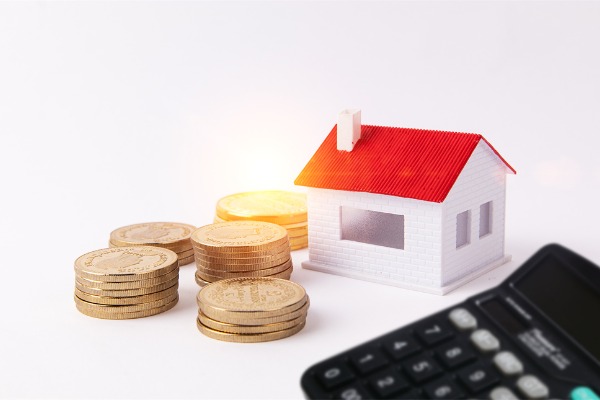
In recent years, the Federal Reserve has initiated a continuous cycle of interest rate cuts, with a cumulative reduction of 150 basis points by the end of 2025. As a result, the Hong Kong Monetary Authority has repeatedly followed suit by lowering the discount window base rate, gradually falling from its high to 4%, laying the foundation for the downward trend of Hong Kong Interbank Offered Rate (HIBOR). As a core reference indicator for mortgage interest rates in Hong Kong, HIBOR is expected to continue to decline, directly reducing the pressure of mortgage repayment for homebuyers. In the previous high interest rate environment, many potential homebuyers were deterred by high monthly payments, but with the gradual decline in interest rates and the reduction of property costs, the pent up demand for home purchases is continuously being released, injecting liquidity into the real estate market. The Chief Executive of the Hong Kong Monetary Authority, Yu Weiwen, also stated that if the Federal Reserve continues to cut interest rates, under the linked exchange rate system, the Hong Kong dollar interest rate is expected to slowly decline, which will have a positive impact on the Hong Kong real estate market.
The prominent phenomenon of "supply leveling over renting" has further promoted the shift of market demand from leasing to purchasing, becoming an important driving force for the recovery of the real estate market. Data shows that from 2023 to 2025, housing rents in Hong Kong will continue to rise for three consecutive years, with a cumulative increase of about 20%. Rent in some popular areas and high-quality properties may even exceed the high level of 2019. At the same time, as the mortgage interest rate decreases with the decline of HIBOR, the gap between the monthly cost of purchasing a house and the cost of renting a house continues to narrow, and even a situation of "equal supply over rent" has emerged - the monthly cost of mortgage payment for a medium priced residential property is already lower than the monthly rent of the same property. This cost reversal has led many tenants to reconsider their choices between buying and renting a house. According to feedback from Hong Kong real estate agents, many tenants have chosen to "sublet to buy" after the lease term ends, including both local residents and mainland talents who have come to Hong Kong for development. This trend is continuing to drive the activity of second-hand real estate transactions.
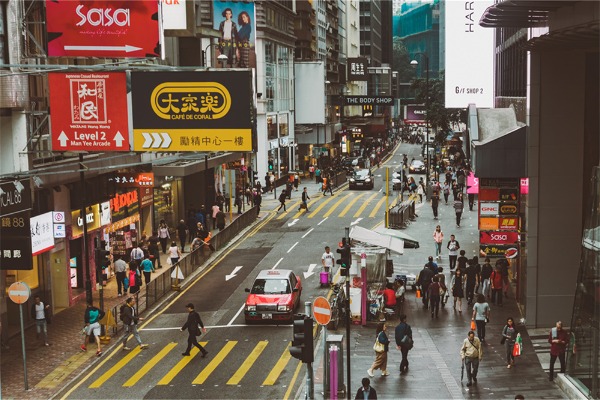
The continuous efforts of talent policies have injected stable and high-quality new demand into the Hong Kong real estate market, becoming an important cornerstone supporting the long-term development of the market. In recent years, Hong Kong has continuously optimized its talent introduction policies such as the "Gaocai Tong" and "Youcai Plan", significantly reducing the threshold for talent entry. By the end of 2025, nearly 400000 talent entry plans have been approved, of which about 100000 mainland professionals have successfully arrived in Hong Kong, along with their accompanying family members, forming a huge demand group for housing. These mainland professionals mostly come from high-end fields such as finance, technology, and professional services, with high income levels and strong long-term development intentions in Hong Kong. They not only drive up the rental demand for mid to high end residential properties, driving rental prices to continue to rise, but also gradually extend the demand to the real estate sector, becoming the core support for the new demand in the real estate market. Data shows that driven by talent policies, the demand for rental housing in high-end areas such as Central and Mid Levels in Hong Kong has surged, and some scarce properties have experienced "competition for rent". At the same time, the proportion of high-end residential transactions has gradually increased, confirming the role of talent in driving the real estate market.
From the overall market situation, the resonance effect of multiple favorable factors is gradually emerging. The decline in interest rates has reduced the cost of home ownership, the shift in demand structure has been driven by the policy of 'supply equaling rent', and the talent policy continues to inject fresh blood. These three factors support each other and form a joint force, gradually pushing the Hong Kong real estate market out of the adjustment period, with transaction activity and market confidence showing a rebound trend. According to data from the Hong Kong Rating and Valuation Department, from June to November 2025, the price index of second-hand private residential properties in Hong Kong has risen for six consecutive months, with a cumulative increase of 3.77%. The number of transactions in the first 11 months increased by about 16% year-on-year, and the market's positive expectations continue to consolidate.
Of course, the recovery of the Hong Kong real estate market still needs to pay attention to potential uncertainties - such as the uncertainty of the pace of the Federal Reserve's interest rate cuts and global economic fluctuations, which may still have a certain impact on the market. But overall, the core driving logic of the current market has undergone a positive transformation, with the support of the three major benefits of loose interest rates, cost reversal, and talent inflow continuing to strengthen, providing a solid foundation for the recovery of the real estate market.
HongKong.info Committed to providing fair and transparent reports. This article aims to provide accurate and timely information, but should not be construed as financial or investment advice. Due to the rapidly changing market conditions, we recommend that you verify the information yourself and consult a professional before making any decisions based on this information.

Popular Hong Kong News

Recommended Reading






Popular Searches
Related News