1、 Epic scene: Crater on the back of the moon framed with the crescent moon Earth
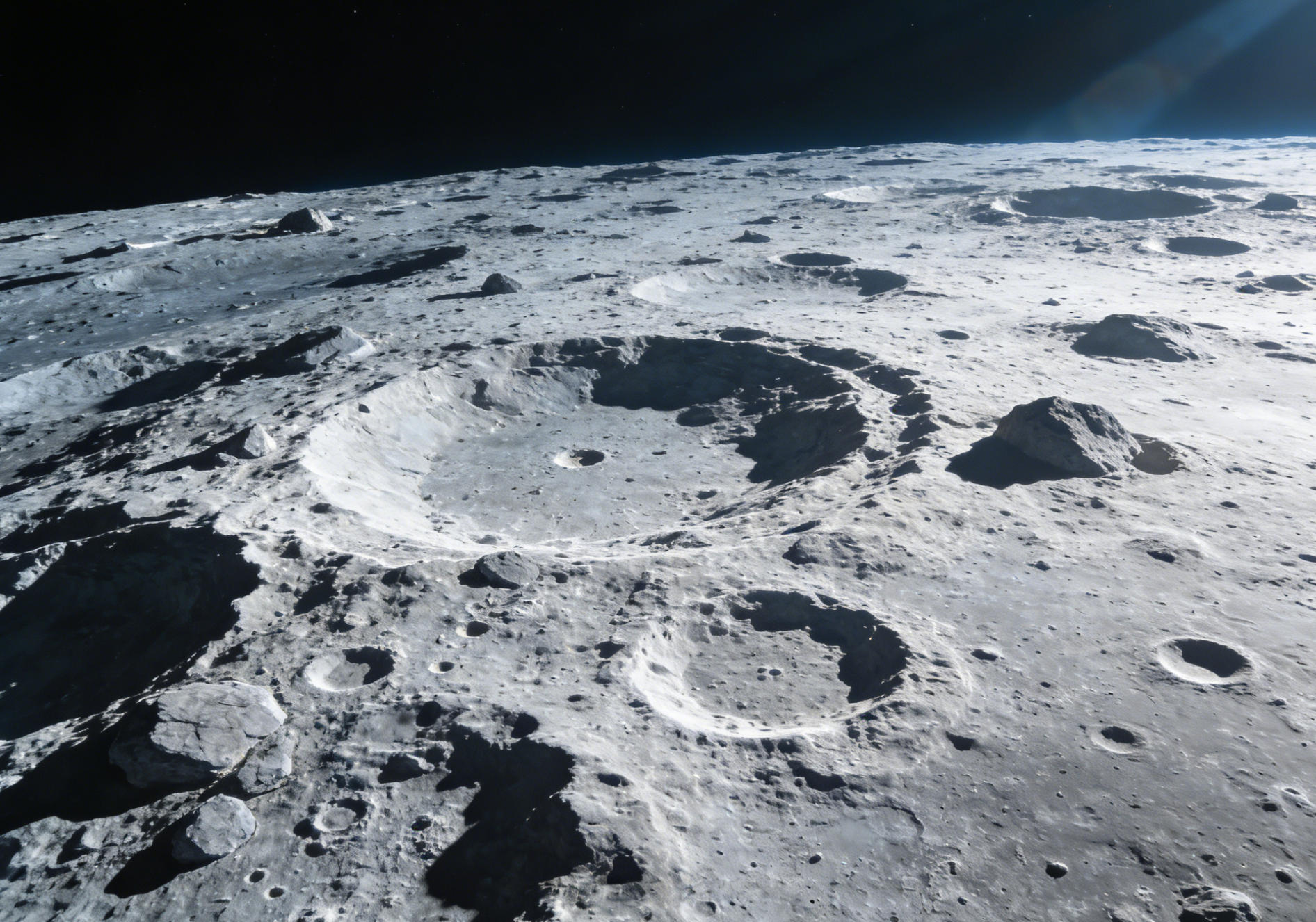
This "Earthset" photo was taken on April 6th, during a critical phase of the Artemis 2 spacecraft's flyby of the far side of the moon. In the picture, the foreground is the semi-circular moon that occupies most of the field of view. The gray lunar surface, against the dark background of deep space, is covered with dense and varying sized meteorite craters, and the ancient landforms with crisscrossing gullies are vividly displayed.
What is particularly valuable is that most of these clearly visible impact crater clusters are located on the far side of the moon - an area that is permanently locked away from Earth due to tidal locking and is a secret realm that humans cannot directly observe on Earth. And in the distance of the lunar arc, our home - Earth - is appearing as a charming blue and white "crescent moon", slowly sinking below the horizon of the moon. The earth and moon are in the same frame, one stillness and one movement, one vastness and one agility, forming a magnificent landscape that is unparalleled in the universe.
2、 A response spanning half a century: from 'emerging from the ground' to 'falling from the ground'
The "Earthrise" photo released this time forms a space-time dialogue spanning 58 years with the famous "Earthrise" photo from the Apollo 8 mission in 1968. If we say that the "Earthly Exodus" was the first time that humans witnessed the blue planet rise from the lunar horizon from the perspective of the moon, bringing a new understanding of our home on Earth; So today's' landing 'is a deep tribute and technological breakthrough to this classic scene in the human return to the moon program.
The leap in image clarity and the expansion of observation perspectives, from the era of film to digital high-definition, from near earth flight to deep lunar background, have witnessed the tremendous progress of human aerospace technology for more than half a century. This is not only a photo, but also a powerful witness to the passing down of the spirit of human exploration.
3、 Technological breakthrough: The mission of Artemis behind high-definition imaging
This set of the clearest lunar photos in history is a significant achievement of the Artemis 2 mission. As a crucial step in NASA's return to the moon program, this mission carried four astronauts and was launched on April 1st. During a close flyby of the moon, the advanced imaging system on the Orion spacecraft successfully captured these precious images.
These high-definition data not only bring visual shock, but also have important scientific value. The unprecedented details of the lunar back provide valuable first-hand information for scientists to study the geological evolution and impact history of the moon, and also provide crucial terrain and environmental data for NASA's future plans such as manned moon landing and lunar base site selection.
HongKong.info Committed to providing fair and transparent reports. This article aims to provide accurate and timely information, but should not be construed as financial or investment advice. Due to the rapidly changing market conditions, we recommend that you verify the information yourself and consult a professional before making any decisions based on this information.

Popular Hong Kong News

Recommended Reading









Popular Searches
Related News