Hong Kong’s Web3 Regulation Continues to Upgrade in 2025! Stablecoin Licensing Implemented + Platform License Expansion Optimizes the Industry Ecosystem!


In 2025, Hong Kong has rolled out a flurry of impactful regulatory initiatives in the Web3 space, achieving remarkable outcomes and continuously refining the industry’s compliance framework through a series of targeted policies.
In 2025, Hong Kong has rolled out a flurry of impactful regulatory initiatives in the Web3 space, achieving remarkable outcomes and continuously refining the industry’s compliance framework through a series of targeted policies. From the implementation of regulatory rules on stablecoins to the expansion of licenses for virtual asset trading platforms and ecosystem optimization, Hong Kong is fostering a safe and well-ordered Web3 development environment with clear regulatory guidance, further consolidating its competitiveness as an international financial center in the emerging financial arena.
A key breakthrough in this regulatory upgrade lies in the formalization of oversight for stablecoins. On May 21, the Legislative Council of Hong Kong officially passed the Stablecoin Bill, which came into effect as scheduled on August 1. The introduction of this legislation provides explicit compliance standards and operational frameworks for the issuance, trading and related services of stablecoins. It also marks Hong Kong as one of the first regions globally to establish a licensing regime for stablecoin activities. This move not only fills the prior regulatory gap in the stablecoin sector, effectively mitigating potential financial risks, but also offers clear guidelines for compliant institutions to engage in stablecoin businesses, thereby boosting market participants’ confidence in Hong Kong’s Web3 development.

Hong Kong has also maintained robust efforts in regulating virtual asset trading platforms. The Securities and Futures Commission (SFC) has granted licenses to 11 Virtual Asset Trading Platforms (VATPs), enabling these platforms to conduct relevant businesses within the compliance framework. More notably, the regulatory authorities have further opened up channels for derivatives and leveraged financing. Under the premise of stringent risk control, this measure enriches the product supply in the virtual asset trading market, caters to the legitimate needs of diverse investors, and simultaneously drives the evolution of Hong Kong’s virtual asset trading ecosystem toward greater maturity and diversification.
Behind this suite of regulatory enhancement measures is Hong Kong’s clear approach to balancing innovation-driven development and risk prevention and control. As a crucial direction in the emerging financial sector, Web3 holds enormous growth potential, yet it is also accompanied by various uncertainties and risks. By establishing and improving a sound regulatory framework, Hong Kong has not only defined compliance boundaries for industry innovation, averting risks stemming from unregulated expansion, but also attracted high-quality Web3 resources from around the world through clear policy guidance, helping Hong Kong seize a first-mover advantage in the emerging financial track.
For the market, clear regulatory policies serve as a reassurance for the healthy development of the industry. The refinement of the compliance framework will effectively reduce risks for investors, enhance market transparency and credibility, and attract more institutional and retail investors to participate in an orderly manner. For industry institutions, explicit compliance requirements and business pathways will accelerate industry restructuring, compelling institutions to upgrade their compliance operation capabilities and facilitating the concentration of high-quality resources in compliant entities.
Looking ahead, as Hong Kong’s Web3 regulatory system continues to be optimized, the region is poised to further unleash the vitality of industry innovation on the basis of safeguarding financial security. It will promote positive interaction between virtual assets and traditional financial sectors, injecting new impetus into the construction of its international financial center. Moreover, Hong Kong’s exploration and practice in Web3 regulation will provide valuable insights for other regions worldwide in enhancing their oversight of the sector.
Disclaimers:
HongKong.info Committed to providing fair and transparent reports. This article aims to provide accurate and timely information, but should not be construed as financial or investment advice. Due to the rapidly changing market conditions, we recommend that you verify the information yourself and consult a professional before making any decisions based on this information.

Popular Hong Kong News

Recommended Reading

Intensive restart of large-scale events in Hong Kong in 2026, igniting a new wave of cultural and tourism consumption

The National Standardization Working Group for Intelligent Medical Devices has been approved
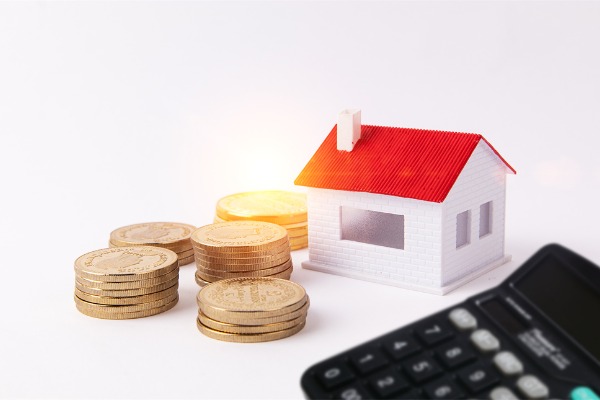
Hong Kong real estate market: Transactions hit a multi-year high, property prices are stable but rising

Yushu G1 humanoid robot "flies" out of the circle

Global storage chip frenzy, A-share sector leads strong gains
JD.com launches a strong attack on Hong Kong and triggers an e-commerce price war, offering a 20% discount at HKTMall
Nvidia announces significant progress in quantum computing, hybrid architecture accelerates industry landing

Golden Bay · Yilan launches 70 units, with an average price of 14626 yuan per square foot at a discounted price of approximately 29%

Popular Searches
Related News
Web3
06 May 2026
The National Standardization Working Group for Intelligent Medical Devices has been approved
Web3
30 Apr 2026
Nvidia announces significant progress in quantum computing, hybrid architecture accelerates industry landing