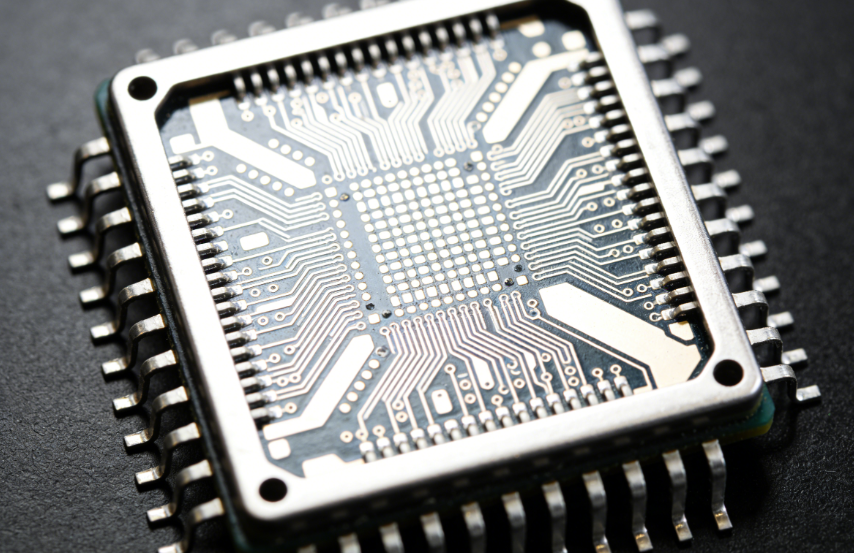
The core of this surge in orders focuses on mature process nodes of 28nm and above. Unlike high-end advanced processes that pursue extreme computing power and integration, mature process chips, with their stable performance and cost-effective prices, are widely used in automotive electronics, industrial control, consumer appliances, IoT, and other key sectors of daily life and industry, serving as the "foundation" of global semiconductor market demand. For a long time, this field has been jointly dominated by manufacturers from China Taiwan, South Korea, and Europe and the U.S., forming a relatively balanced competitive landscape. Although mainland Chinese manufacturers have continued to make efforts, they have yet to achieve a breakthrough in market share—by 2023, China's share of global mature process orders was only 52%.
R1: "Internet plus" must be translated as "Internet plus." In just two years, the leap from 52% to 70% reflects not only the structural adjustment in global semiconductor demand but also China's semiconductor industry seizing opportunities and actively breaking through. In recent years, with the explosive growth of industries such as new energy vehicles, industrial internet, and smart home devices, the demand for mature process chips worldwide has continued to expand, becoming the core driver of semiconductor industry growth. As the largest semiconductor consumer market globally, China possesses a complete manufacturing industry chain with supporting advantages, enabling stable upstream and downstream support for mature process chip production. This has also become a key foundation for the concentration of global orders in China. According to data from the International Semiconductor Industry Association, from 2024 to 2027, China's twelve-inch chip production lines will achieve an average annual expansion rate of 27 percentage points, far exceeding the combined total of other countries and regions, with its production capacity advantage continuing to stand out.
Ironically, China's rise in mature process technology is inseparable from the "reverse push" of U.S. semiconductor restrictions. Since 2018, the U.S. has initiated a sustained blockade against China's semiconductor industry, operating on the core logic of "top-down" control—precisely targeting high-end AI chips, advanced logic chips below 14nm, and core equipment like EUV lithography machines. By severing the supply of high-end technology and equipment, the U.S. aims to curb China's progress toward high-end breakthroughs in semiconductors. Even as late as September 2025, the U.S. loudly announced the cancellation of all equipment procurement exemptions for chip factories in China, seeking to implement a blanket sales ban. Yet just three months later, it quietly softened its stance, allowing TSMC, Samsung, and other companies to continue importing equipment for their mature process facilities in China. This, in essence, represents a reluctant acknowledgment of the integrity of China's mature process industrial chain.
HongKong.info Committed to providing fair and transparent reports. This article aims to provide accurate and timely information, but should not be construed as financial or investment advice. Due to the rapidly changing market conditions, we recommend that you verify the information yourself and consult a professional before making any decisions based on this information.

Popular Hong Kong News

Recommended Reading









Popular Searches
Related News