The Federal Reserve's interest rate cut window has opened, and Hong Kong insurance has become a new trend in asset allocation!


On December 10th Eastern Time, the Federal Reserve announced a 25 basis point reduction in the federal funds rate to the range of 3.50% to 3.75%, opening a new round of easing cycle. Influenced by the Hong Kong linked exchange rate system, this policy quickly spread to the Hong Kong dollar market, but did not weaken the attractiveness of Hong Kong insurance. Instead, with its unique asset allocation logic, it became a high-quality choice in the global asset restructuring wave, attracting more and more investors who pursue stable returns.
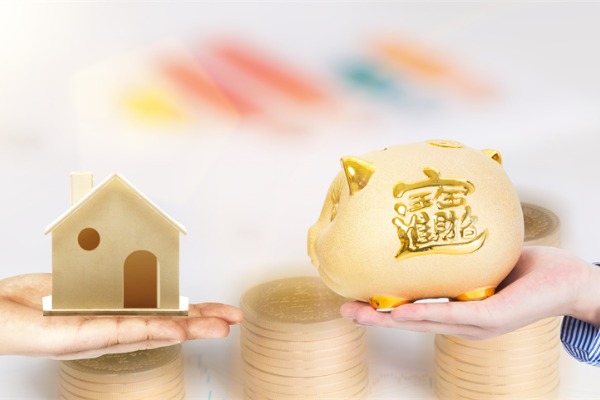
During the interest rate cut cycle, the core advantage of Hong Kong insurance lies in the positive resonance between the profit logic of underlying assets and interest rate trends. Hong Kong savings dividend insurance generally adopts a diversified allocation strategy of "fixed income+equity assets", with a significant proportion of fixed income assets such as US Treasury bonds. Interest rates and bond prices exhibit a seesaw effect. After the Federal Reserve cuts interest rates, the value of existing high-yield bonds increases, and the profit margin of bond assets held by insurance companies expands. At the same time, interest rate cuts reduce corporate financing costs and promote the strength of equity markets such as the US stock market. Hong Kong insurance funds have widely deployed high-quality equity assets worldwide, which is expected to further enhance policy dividend returns. This is in sharp contrast to the downward trend of bank deposit interest rates with interest rate cuts.
The favorable factors at the exchange rate level have further strengthened the attractiveness of Hong Kong insurance. The market has long expected this interest rate cut, and the volatility of the US dollar index has been digested in advance. There is no need to overly worry about the impact of US dollar depreciation on policy value. More importantly, interest rate cuts may lower the cost of converting the Chinese yuan to the US dollar, indirectly lowering the insurance threshold for mainland investors. In addition, Hong Kong insurance supports flexible conversion of multiple currencies such as the US dollar, Hong Kong dollar, and Chinese yuan, allowing investors to dynamically adjust according to exchange rate trends. Long term compound interest returns of 6% to 7% are sufficient to hedge against short-term exchange rate volatility risks.
Market data has confirmed this trend. In the first quarter of 2025, the premium for new long-term business policies in Hong Kong increased by 43.1% year-on-year, while the premium for mainland visitors may exceed HKD 20 billion, driven by the global asset allocation demand in a low interest rate environment. Compared to the current situation where the interest rate of large denomination certificates of deposit in mainland banks has entered the "first digit" level, Hong Kong insurance can lock in long-term stable returns and become an important tool for hedging against interest rate declines and achieving wealth preservation and appreciation. Its cross cyclical nature further surpasses short-term interest rate games and makes it a high-quality choice for planning pensions, education funds, and wealth inheritance.
It should be clarified that the core value of Hong Kong insurance lies in long-term wealth planning rather than short-term speculation. Although some insurance companies may tighten their prepayment discounts, for investors with medium to long-term financial plans, the current period is the window to lock in high-quality assets. Against the backdrop of global liquidity easing reshaping the asset pricing system, Hong Kong insurance, with its global asset allocation capability, flexible currency selection, and stable long-term returns, will continue to highlight its asset attractiveness and become a wealth "ballast" for crossing economic cycles.
HongKong.info Committed to providing fair and transparent reports. This article aims to provide accurate and timely information, but should not be construed as financial or investment advice. Due to the rapidly changing market conditions, we recommend that you verify the information yourself and consult a professional before making any decisions based on this information.

Popular Hong Kong News

Recommended Reading