At a pivotal stage where the Web3 industry layout has entered deep waters, the Hong Kong government has clearly identified the tokenization of real-world assets (RWA) as a core development direction. Through a dual-driven approach of policy leadership and market practice, it aims to foster deep integration between traditional financial assets and the digital economy.
At the 2025 "Hong Kong Web3 Carnival," Financial Secretary Paul Chan Mo-po's remarks sent a clear signal: tokenization of Real-World Assets (RWA) is the cornerstone of Hong Kong's digital financial vision. The government will continue to drive the on-chain circulation of diverse assets, including bonds, real estate, gold, and green energy. Meanwhile, market players have responded actively. Beyond Gaming's BDG token is accelerating the bridge between real-world assets and on-chain finance, with plans to push over HK$10 billion in assets onto the blockchain within the next 12 months, injecting strong momentum into Hong Kong's digital financial ecosystem.
The strategic positioning of RWA tokenization precisely aligns with Hong Kong's core objective of consolidating its status as an international financial hub. As a critical bridge between the physical world and the digital ecosystem, RWA tokenization leverages blockchain technology to transform traditional real-world assets into divisible and transferable digital tokens. This approach not only significantly enhances asset liquidity and lowers transaction barriers but also addresses pain points in traditional asset trading—such as difficulties in rights verification and weak compliance—by harnessing the transparent and traceable nature of on-chain data.
In his speech at the Carnival, Paul Chan emphasized that Hong Kong's core advantages in developing RWA tokenization lie in its mature financial system, clear regulatory framework, and the role of a "super connector." These strengths effectively link global capital with high-quality local assets, reshaping financial competitiveness. From a policy perspective, this direction aligns with the implementation of the "Stablecoin Ordinance" and the release of the "Digital Assets Development Policy Manifesto 2.0," creating synergy to establish a comprehensive regulatory and development system covering key areas of digital finance.
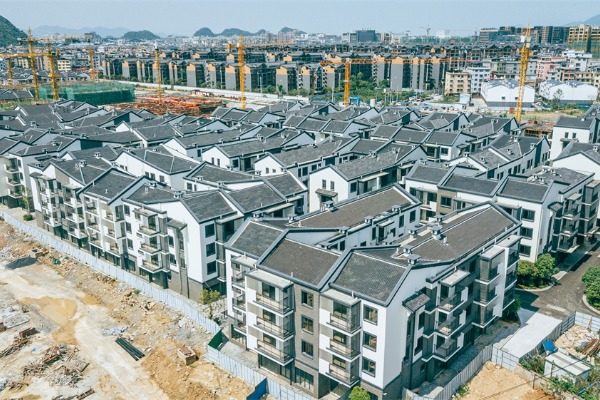
Notably, the advancement of RWA tokenization aligns well with the steady recovery of Hong Kong's property market. Data shows that the Hong Kong residential price index rebounded by 3.3% from March to October, while the "美联楼价指数" (Median Price Index) rose approximately 4.65% year-to-date and surged 6.18% from its intrayear low, marking the official end of the market adjustment period. Driven by the dual benefits of interest rate cuts and wealth effects, demand for both first-time homebuyers and property upgrades continues to materialize. Total bank deposits in Hong Kong have exceeded HKD 19 trillion, creating a pressing need for diversified allocation channels. As one of the core assets in RWA tokenization, real estate stands to offer the market a novel asset allocation option—by dividing high-quality property equity into digital tokens, ordinary investors can participate in core urban property investments with lower barriers. This not only broadens pathways for housing demand but also adds new dimensions to market liquidity enhancement. In fact, some developers have already begun exploring this direction, with companies like Kaisa Group leveraging RWA tokenization to revitalize existing assets, drawing significant attention from capital markets.
HongKong.info Committed to providing fair and transparent reports. This article aims to provide accurate and timely information, but should not be construed as financial or investment advice. Due to the rapidly changing market conditions, we recommend that you verify the information yourself and consult a professional before making any decisions based on this information.

Popular Hong Kong News

Recommended Reading




Popular Searches
Related News