Mainland capital emerges as primary driver of growth! Hong Kong's luxury and affordable housing markets heat up simultaneously!


Against the backdrop of a global monetary policy shift and Hong Kong's interest rate reduction cycle reaching its conclusion, the property market has not fallen into a stalemate of caution but instead exhibits a pronounced recovery trend. The sustained influx of mainland capital has emerged as the primary growth driver, not only invigorating transactions in the luxury property segment but also spurring increased activity in the affordable housing market. This momentum is further bolstered by mainland internet giants' concentrated efforts to acquire prime office space in central districts, injecting robust confidence into Hong Kong's property sector.
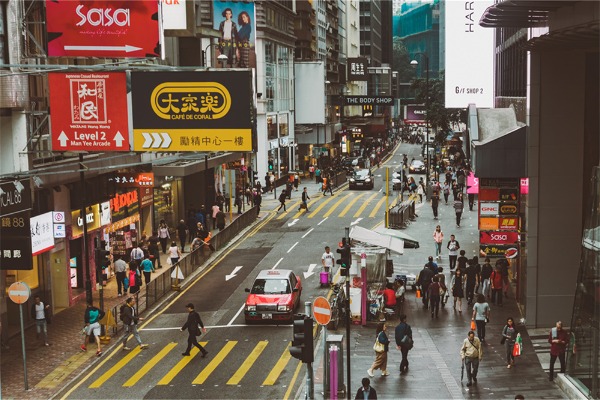
Mainland buyers' sustained enthusiasm for entering the market has become a crucial pillar supporting Hong Kong property transactions. Data reveals that buyers registered under Mandarin pinyin accounted for 3,797 transactions in the third quarter, representing approximately 25% of total deals. This marks the second consecutive quarter of growth, underscoring the increasingly pronounced trend of mainland capital positioning itself within Hong Kong's property sector. This shift stems partly from Hong Kong's comprehensive removal of residential property demand management measures, eliminating the need for mainland buyers to pay high stamp duties and significantly reducing entry costs. It is also closely linked to the recovery of Hong Kong's financial markets and the emergence of wealth effects, attracting high-net-worth individuals to view Hong Kong property as a key asset allocation choice.
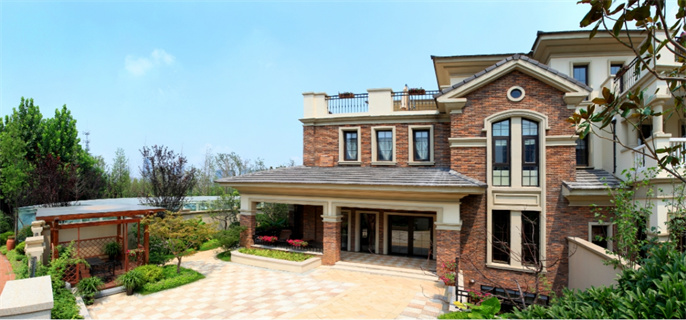
Notably, this recovery exhibits a pronounced ‘dual-track synchronous warming’ characteristic, with both luxury and affordable housing markets performing impressively. In the luxury segment, 521 new luxury homes priced above HK$50 million were transacted in the first eleven months of 2025, marking an 11.8% year-on-year increase. The secondary luxury property market demonstrated even greater dynamism, with transactions in the same price bracket surging by 34.1% year-on-year, reflecting the concentrated release of allocation demand among high-net-worth individuals. Transaction cases reveal frequent high-value deals for premium luxury properties in core locations such as Hong Kong Island's Southern District and Mid-Levels. Many mainland high-net-worth individuals and business owners emerged as key buyers, viewing Hong Kong luxury properties as premium assets for risk mitigation and value appreciation.
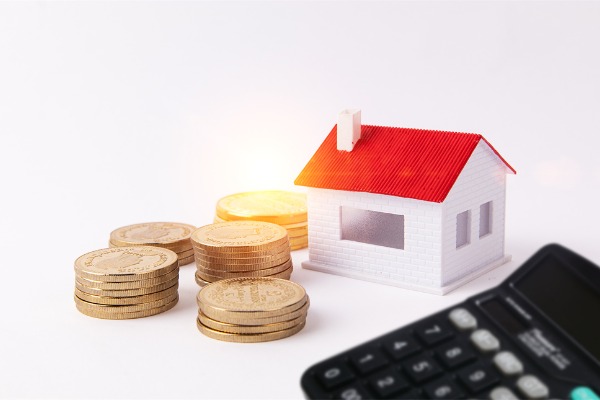
Concurrently, the affordable housing market experienced a transaction surge, becoming the primary entry point for first-time buyers and those with immediate housing needs. Benefiting from a prolonged interest rate reduction cycle, Hong Kong's mortgage rates reached historic lows, making mortgage payments more affordable than renting. This trend was further amplified by the government's policy reduction of stamp duty to HK$100 for properties valued below HK$4 million, significantly lowering the entry barrier for first-time buyers. Data indicates that in the first eleven months of 2025, transactions for both new and resale private residential properties priced below HK$4 million exceeded 12,600 units, accounting for approximately 24% of total transactions – the highest proportion since 2016. A significant proportion of these buyers comprised tenants and mainland migrants attracted by the ‘mortgage payments cheaper than rent’ proposition.
More significantly, the large-scale entry of leading mainland enterprises signals a strong ‘bottom-fishing’ sentiment. Within just two months, internet giants Alibaba and JD.com invested over HK$10 billion in concentrated purchases of Grade A office space in prime locations like Causeway Bay and Central. Notably, Alibaba acquired One Island Centre for HK$7.2 billion to establish dual headquarters, while JD.com purchased a 50% stake in the Bank of China Tower in Central for HK$3.5 billion. These moves not only disrupted the longstanding dominance of foreign investors and local family conglomerates over prime commercial assets but also underscored mainland enterprises' enduring confidence in Hong Kong's commercial property value and future growth potential.
From a fundamental market perspective, the sustained inflow of mainland capital and the polarised heating of the property market have formed a virtuous cycle with Hong Kong's economic recovery. Presently, the city's ‘events economy’ continues to gain momentum, cross-border tourism and consumption are steadily rebounding, and the employment market and household income expectations are gradually improving, providing foundational support for stable property demand. Although the interest rate reduction cycle has reached its end, with mortgage rates having little room to fall further, clear signals of market recovery and solid demand support have to some extent offset the wait-and-see sentiment brought about by the policy shift.
HongKong.info Committed to providing fair and transparent reports. This article aims to provide accurate and timely information, but should not be construed as financial or investment advice. Due to the rapidly changing market conditions, we recommend that you verify the information yourself and consult a professional before making any decisions based on this information.

Popular Hong Kong News

Recommended Reading






Popular Searches
Related News