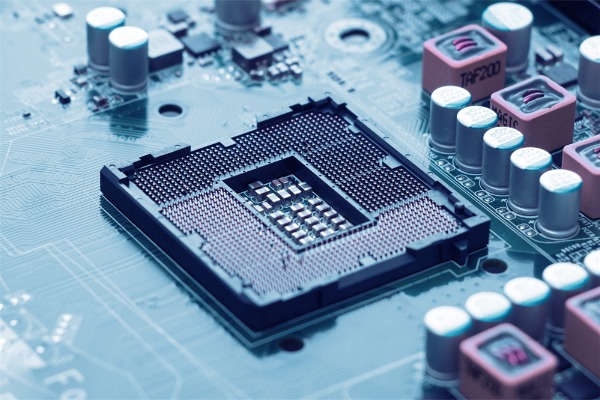
It is understood that TSMC has made a low-key official announcement on its 2nm technology webpage, stating that "2nm (N2) technology has been mass-produced as planned in the fourth quarter of 2025." This announcement fits its steady and calm style and confirms the certainty of mass production. 2nm is one of the most advanced semiconductor manufacturing processes globally, and mass production requires overcoming multiple technical challenges such as materials and lithography. This milestone further consolidates TSMC's global leadership in the field of advanced manufacturing processes.
In terms of performance, the N2 process offers significant advantages, with a core focus on dual optimization of efficiency and energy consumption: it achieves a 10%-15% increase in computing efficiency at the same power consumption, and a 25%-30% reduction in energy consumption at the same performance level. This high energy efficiency ratio precisely meets the needs of the AI and HPC fields. Currently, scenarios such as large model training and supercomputer operations have stringent requirements for chip computing power and energy consumption control. The mass production of N2 will effectively alleviate energy consumption pressure and enhance computing efficiency, providing crucial support for technological breakthroughs and industrial upgrades in related fields.
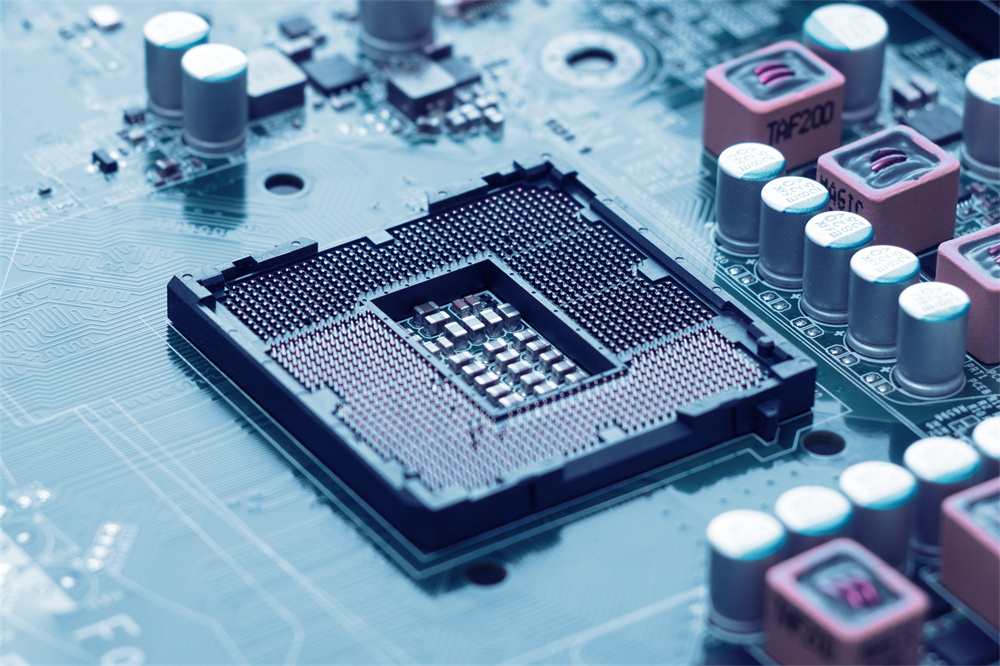
TSMC has always been forward-looking in its advanced process layout, continuously leading the industry iteration from 7nm, 5nm to 3nm. The mass production of 2nm technology this time further widens the gap between TSMC and its competitors. For the global industrial chain, the semiconductor industry is currently in a critical period of technological iteration and demand upgrading. Emerging industries such as AI and new energy vehicles are driving the demand for advanced process chips. The release of N2 capacity will alleviate the tight supply of high-end chips and ensure the stable development of the global technology industry.
It is noteworthy that the mass production of 2nm technology is not only a technological breakthrough, but also a catalyst for collaborative upgrades across the upstream and downstream of the industry chain. Both upstream lithography equipment and specialty materials, as well as downstream terminal manufacturers, need to adapt and innovate around this process: the upstream needs to provide more precise lithography technology, while the downstream can rely on N2 wafers to develop products with higher performance and lower power consumption, thereby facilitating the iteration of the entire technology industry.
HongKong.info Committed to providing fair and transparent reports. This article aims to provide accurate and timely information, but should not be construed as financial or investment advice. Due to the rapidly changing market conditions, we recommend that you verify the information yourself and consult a professional before making any decisions based on this information.

Popular Hong Kong News

Recommended Reading






Popular Searches
Related News