Face the AI gap! Hyundai Motor leads Korean enterprises to embark on a breakthrough in intelligent transformation


The current global automotive industry faces multiple challenges such as trade frictions, geopolitical instability, and intensified competition, with numerous variables in transformation. Zheng Yixuan emphasized that upgrading AI capabilities is a "must-answer question" for the survival and development of Korean enterprises. Global leading enterprises have invested hundreds of billions of Korean won to build AI-driven advantages, while Hyundai Group still lags in AI capabilities, which directly affects its future discourse power in the global market.
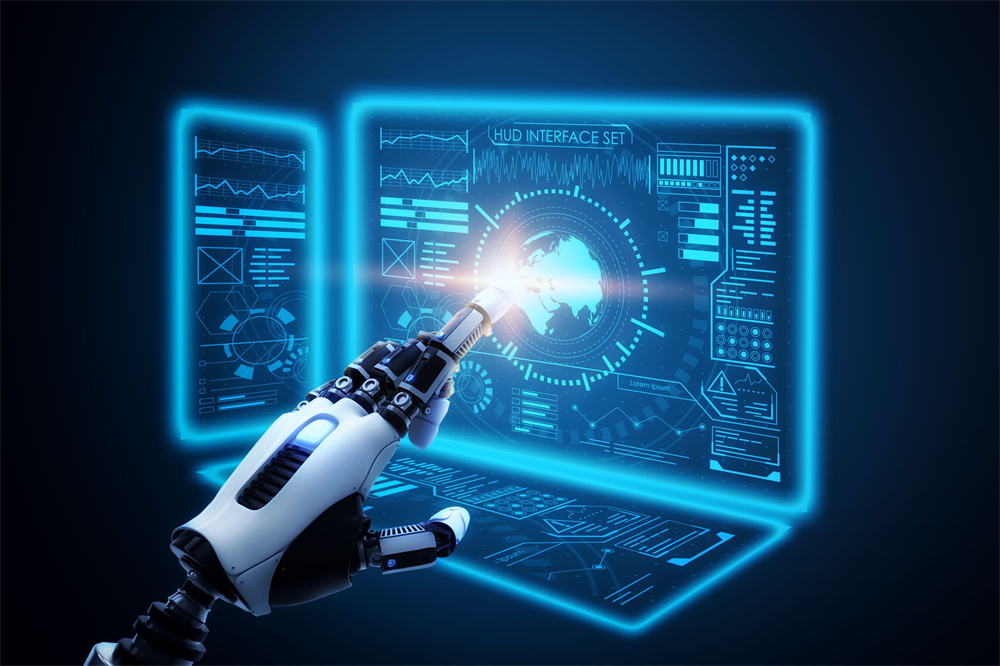
Facing the gap, Hyundai Motor has clearly defined its direction to break the deadlock. Zheng Yixuan announced the annual strategic priorities, focusing on "customer-centric transformation" and "AI-driven ecological collaboration". The management team has focused on "internalization of AI", promoting the integration of AI into the organizational DNA and eliminating external dependence. At the same time, with digital transformation as the key point, they are promoting the implementation of Software Defined Vehicle (SDV) and intelligent manufacturing to reshape competitiveness and efficiency.
Hyundai Motor has long been involved in the AI field: it established a robotics laboratory in 2019 and later acquired Boston Dynamics to address its shortcomings in high-end robotics technology, bolstering its "Physical AI" strategy. On this basis, the group plans to invest KRW 125 trillion in South Korea over the next five years, focusing on new technologies such as AI and robotics, to inject financial momentum into its intelligent transformation.
In terms of commercialization, the Hyundai joint venture Motional plans to launch a fully autonomous taxi service for the Ioniq5 in Las Vegas by the end of the year, a plan confirmed by Vice Chairman Zhang Zaixun. This project will test its AI autonomous driving technology, accumulate real-world traffic data to feed back into technology iteration, and form a virtuous cycle.
Hyundai Motor's AI transformation strategy also reflects the collective dilemma and transformation aspirations of the Korean automotive industry. As an important player in the global automotive industry, Korean automakers occupied an important position in the era of traditional fuel vehicles by leveraging their mechanical manufacturing advantages. However, in the wave of intelligent transformation, they are facing fierce competition from market rivals in China, the United States, and other markets. Zheng Yixuan's call is not only a self-awareness for Hyundai Motor, but also a wake-up call for the entire Korean automotive industry - only by abandoning path dependence, accelerating AI capability building with an open and cooperative attitude, and promoting comprehensive changes in technology, organization, and business models, can we maintain our advantages and seize the initiative in the intelligent reconstruction of the global automotive industry.
HongKong.info Committed to providing fair and transparent reports. This article aims to provide accurate and timely information, but should not be construed as financial or investment advice. Due to the rapidly changing market conditions, we recommend that you verify the information yourself and consult a professional before making any decisions based on this information.

Popular Hong Kong News

Recommended Reading






Popular Searches
Related News