As a leading enterprise in the EDA field, Xinsi Technology is deeply involved in the entire global semiconductor design process, and its judgment of market supply and demand has a strong industry benchmark significance. Gaisi Xin clearly pointed out in its statement that the explosive growth of global AI infrastructure is becoming the "largest consumer" of memory capacity - with billions of dollars continuously pouring into AI data center construction worldwide, the memory capacity of top chip manufacturers has been almost entirely occupied by AI related demand, and the capacity allocation in the traditional electronics field has been greatly squeezed.
1、 Core gap: HBM demand explosion, capacity tilt becomes key
In this wave of memory shortage, high bandwidth memory (HBM) has become the most in demand core category and a key breakthrough point for tight production capacity. Gaisi Xin emphasized that the demand for HBM in scenarios such as AI servers, large model training and operation is growing exponentially. This high-performance memory, with data transfer rates far exceeding traditional memory, has become a "must-have component" for AI infrastructure, and its market demand is far stronger than industry expectations.
Industry data shows that HBM consumes about three times the wafer capacity per bit compared to traditional DRAM, with higher production thresholds and longer cycles. In order to seize the dividends of the AI race, the three global storage giants Samsung, SK Hynix, and Micron have all shifted a large amount of production capacity to HBM production, further squeezing the shipment volume of traditional memory such as standard DRAM and NAND flash memory, thereby exacerbating the supply gap in the entire memory market. As of now, the production capacity of storage chip related products for AI servers by the three giants in 2026 has been basically sold out.
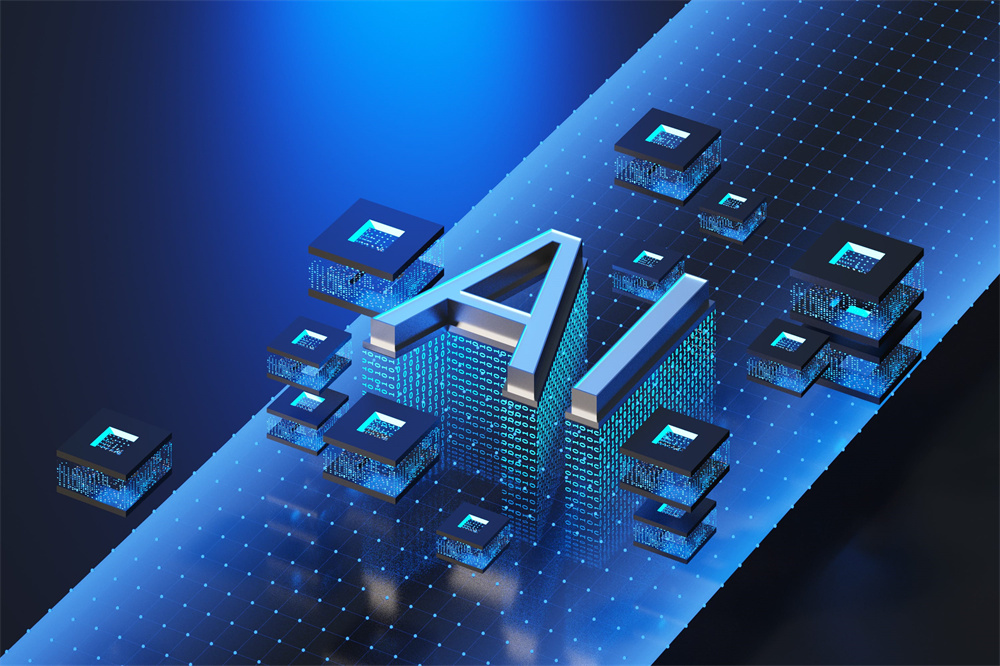
2、 Difficult to alleviate shortage: lagging expansion, industry consensus highlighted
Gaisi Xin further explained that the core reason why the shortage of memory is difficult to alleviate in the short term is the lag in capacity expansion. Although major global storage manufacturers have planned to expand their production capacity, it will take at least two years for semiconductor production lines to be invested, built, and debugged for mass production. This means that it will be difficult to release new production capacity in a concentrated manner by 2026, which will not be able to match the explosive demand brought by AI infrastructure in a timely manner.
The warning of Xinsi Technology is not an isolated case, and there is a general consensus in the industry at present. Two weeks ago, Manish Bhatia, Executive Vice President of Global Operations at Micron Technology, also stated that the shortage of storage chips will continue beyond 2026 due to the surge in demand for high-end semiconductors from AI, and called the current shortage situation "unprecedented". Market research firm Counterpoint analysts have bluntly stated that tracking the memory industry for nearly 20 years, this AI driven shortage wave is the "craziest period in history", and the supply-demand imbalance pattern is difficult to reverse in the short term.
3、 Industry impact: Transmission of the industrial chain, pressure on the end market
The long-term shortage of memory will continue to spread to the global electronics industry chain, bringing multiple chain effects. On the one hand, AI infrastructure related enterprises may face pressure from tight supply chains and rising costs, and some small and medium-sized AI enterprises may even delay project progress due to shortages of core components such as HBM; On the other hand, the traditional electronics field will be significantly squeezed, and the supply of industries such as smartphones, personal computers, and automotive electronics will be further restricted, which may even affect the shipment volume and pricing strategy of end products.
According to the analysis of Qunzhi Consulting, the shortage of memory has driven up the cost of the bill of materials, and it is expected that global smartphone shipments will decrease by 2.1% in 2026. Terminal manufacturers such as Dell Technologies have also warned that the continued shortage of memory may have a significant impact on their business. At the same time, with the upgrading of HBM technology and the rise of customized demand, giants such as SK Hynix and Samsung have laid out HBM4 and customized products in an attempt to alleviate the supply-demand contradiction, but it is still difficult to change the shortage pattern in the short term.
HongKong.info Committed to providing fair and transparent reports. This article aims to provide accurate and timely information, but should not be construed as financial or investment advice. Due to the rapidly changing market conditions, we recommend that you verify the information yourself and consult a professional before making any decisions based on this information.

Popular Hong Kong News

Recommended Reading







Popular Searches
Related News