During the Asian trading session on Thursday, January 29, the international spot gold price ushered in a historic breakthrough. It stood at the US $5500 per ounce level for the first time. The intraday maximum hit US $5598.75, which was once close to the integer pass of US $5600, with an intraday increase of more than 3%. While continuing to hit a new historical high, it also pushed the cumulative increase since the beginning of 2026 to nearly 30%, strongly continuing the soaring trend in 2025- the gold price has soared by 70% in 2025, breaking the record for more than 50 times in the year. Today's continuous upsurge has led the market into a bipolar debate: is this wave of crazy rise the foam generated by speculation of speculative funds, or a long-term trend with solid support?
The surge of gold approaching $5600 this time is not accidental, but the result of the resonance of the dual core driving forces of geopolitical tension and global monetary easing expectations. These two factors continue to inject momentum into the rise of gold prices, pushing them out of volatility and into an accelerated upward channel.
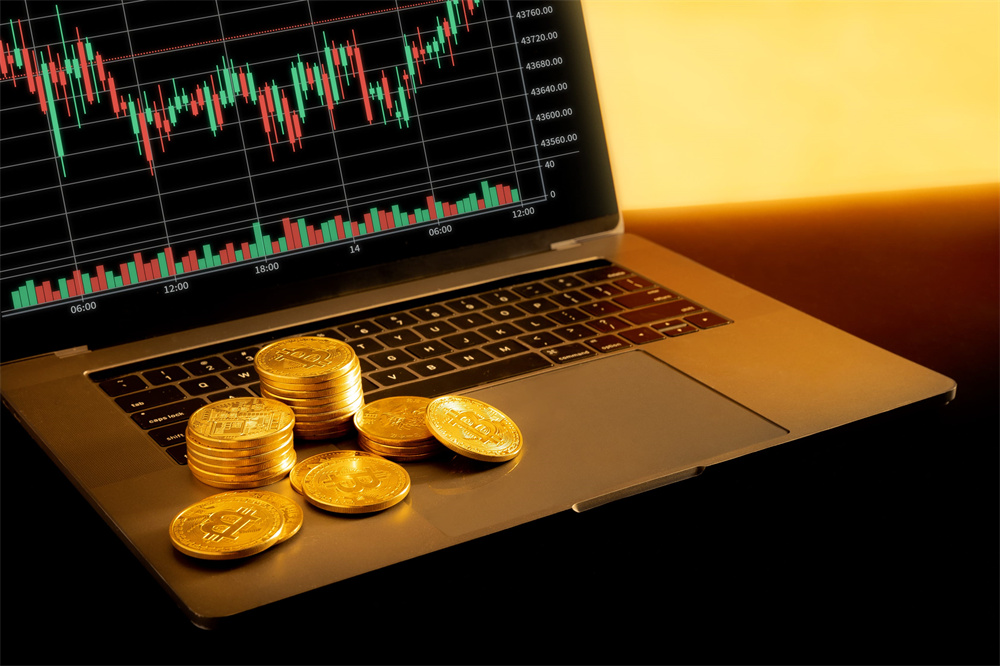
The concentrated fermentation of geopolitical risks is the most direct driving force behind the short-term surge in gold prices. The current global geopolitical situation is erupting at multiple points, with regional conflicts emerging one after another, trade frictions occurring from time to time, the sovereignty dispute over Greenland triggering geopolitical tensions in the Arctic, the escalation of the US Iran situation, coupled with the recent US statement on imposing tariffs on South Korea and the threat of selling US bonds to Europe, further exacerbating market concerns about global order disruption and restricted cross-border capital flows, and causing a sharp rise in risk aversion. As the ultimate safe haven asset with a long history, gold has naturally become a "safe haven" for global funds. Central banks and private investors around the world have increased their holdings of gold to hedge against the risks brought by geopolitical uncertainty and drive the price of gold to continue to rise.
The expectation of monetary easing provides long-term core support for the rise in gold prices, which is also the key structural support emphasized by Standard Chartered Bank. Despite the recent Federal Open Market Committee (FOMC) monetary policy meeting where the Federal Reserve decided to maintain the target range for the federal funds rate at 3.5% to 3.75%, with a cautious stance, the market generally expects the new Fed chairman to release more room for easing and restart the rate cut process later in 2026- the Fed has already cut interest rates three times in a row in the second half of 2025, with an unchanged loose tone. This loose expectation not only lowers real interest rates and weakens the attractiveness of the US dollar, but also drives a large amount of liquidity into the market, highlighting the value preservation property of gold. After all, as an interest free asset, gold's allocation value will greatly increase in an environment of declining interest rates and rising expectations of currency depreciation. This is also the core logic behind the nearly 30% increase in gold prices since the beginning of 2026.
With the soaring gold price and constantly breaking new historical highs, the market is increasingly worried about the foam. The core doubts focus on "too fast rise, too much profit accumulation", and worry that the current price has seriously deviated from the reasonable range and become the product of speculative capital speculation.
From the perspective of short-term performance, the pace of gold's rise is indeed fast: in only one month or so since 2026, the cumulative increase has been close to 30%, and in the past six trading days, it has broken six integer levels, rising rapidly from $5000 to nearly $5600. This short-term surge is likely to cause panic in the market. Many investors believe that the current gold price has partially overdrawn loose expectations and risk aversion, and a large number of speculative funds have poured into the market to push up the price. Once the driving force is weakened, there may be a sharp correction, and the foam will burst.
HongKong.info Committed to providing fair and transparent reports. This article aims to provide accurate and timely information, but should not be construed as financial or investment advice. Due to the rapidly changing market conditions, we recommend that you verify the information yourself and consult a professional before making any decisions based on this information.

Popular Hong Kong News

Recommended Reading