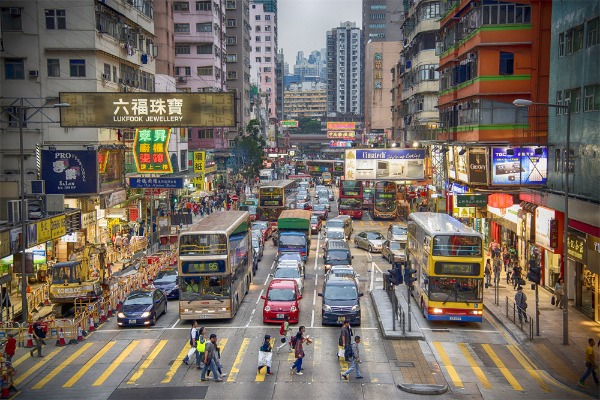
Inbound tourism continues to heat up, injecting new momentum into China's economic recovery and RMB exchange rate


The Chinese inbound tourism market is gradually emerging from a period of adjustment, showing a steady recovery and rapid warming trend, driven by the synergistic efforts of multiple favorable factors. Among them, the key support for the continuous optimization of entry facilitation policies - in recent years, China has continuously simplified entry procedures and expanded the scope of visa free travel, such as implementing phased visa free policies for multiple countries in Asia, Europe, and Oceania, combined with a 240 hour transit visa free policy, greatly reducing the entry threshold for foreign tourists and making the "China trip that can be said to leave" a reality. At the same time, compared to most countries and regions around the world, China's relatively cheap price level, abundant cultural and tourism resources, and safe travel environment together constitute a unique attraction, making it a preferred destination for overseas tourists.
The impressive recovery trend is clearly confirmed in statistical data at all levels. According to the data from the National Bureau of Statistics, the overall number of inbound tourists in China has gradually expanded after the COVID-19, with a year-on-year growth of more than 60% in 2024, reaching 132 million person times, which is close to the average level of the decade from 2010 to 2019, indicating that the inbound tourism market has gradually returned to the normal development track. It should be noted that from 2010 to 2019, the global inbound tourism market steadily grew, while Chinese inbound tourism maintained growth but the growth rate was relatively slow. Now, it can quickly approach this long-term average, fully demonstrating the strong resilience and attractiveness of the Chinese cultural and tourism market.
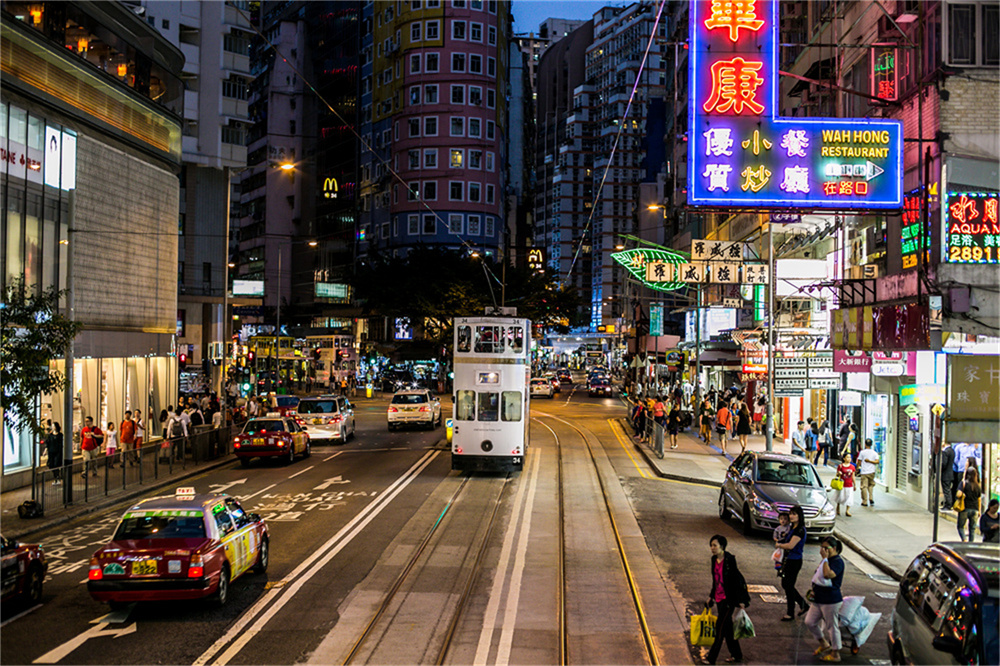
The recovery momentum at the local level is stronger, becoming an important support for the rise of inbound tourism. According to recent data released by cultural and tourism departments in some provinces and cities, regions with abundant cultural and tourism resources and high openness to the outside world, such as Guangdong, Shanghai, and Yunnan, saw a year-on-year increase of over 30% in the number of inbound tourists last year. Tourism revenue also achieved rapid growth, showing a good trend of "both quantity and price rising". Among them, Shanghai has shown particularly outstanding performance, receiving a total of 9.3602 million inbound tourists in 2025, a year-on-year increase of 39.58%, and 8.7894 million overnight tourists, a year-on-year increase of 45.09%. Both data have set a new historical high and become the benchmark for "China's first stop for inbound tourism".
The impressive performance of Shanghai is a vivid reflection of the recovery of China's inbound tourism market. Data shows that by 2025, the number of foreign tourists entering Shanghai will reach 7.1387 million, accounting for over 70%, with a year-on-year increase of nearly 50%; South Korea, Japan, and Thailand have become the three main source countries, while the United States is the top remote source country. Remote source countries such as Russia and Italy are growing rapidly, and the source structure is becoming more diverse and balanced. At the same time, the consumption enthusiasm of inbound tourists continues to be released. In 2025, Shanghai's outbound tax refund sales increased by about 80% year-on-year, and the "buy and refund" sales increased by 15.7 times year-on-year, covering various products such as clothing, accessories, and Chinese time-honored brands, demonstrating the huge potential of inbound consumption.
The continuous rise of inbound tourism cannot be separated from the continuous empowerment of policies, and further policy efforts in the future will inject stronger impetus into the inbound tourism market and inbound consumption. On January 26th, the relevant person in charge of the Ministry of Commerce clearly stated at the press conference of the State Council Information Office that policy measures to expand inbound consumption will be introduced in 2026, and a national level overseas comprehensive service platform will be launched to further deepen opening up to the outside world, optimize the inbound consumption environment, and stimulate the consumption potential of overseas tourists.
Industry insiders have analyzed that the policy measures of the Ministry of Commerce will help improve the quality and upgrade of inbound tourism and consumption from multiple aspects. On the one hand, by improving supporting services for inbound consumption, such as optimizing payment convenience, expanding the coverage of outbound tax refunds, and enhancing multilingual service capabilities, we can solve the pain points of overseas tourists' consumption; On the other hand, through policy guidance, we will promote the supply side reform of cultural and tourism products, enrich high-end cultural and tourism products, unique experiences and other products, meet the needs of foreign tourists at different levels, and promote the transformation of inbound consumption from "just looking at the flowers" to "deep experience".
HongKong.info Committed to providing fair and transparent reports. This article aims to provide accurate and timely information, but should not be construed as financial or investment advice. Due to the rapidly changing market conditions, we recommend that you verify the information yourself and consult a professional before making any decisions based on this information.

Popular Hong Kong News

Recommended Reading







Popular Searches
Related News