Tesla's expected P/E ratio is as high as 196 times, far exceeding the single digit P/E ratio commonly seen in traditional car manufacturers such as General Motors (GM) and Ford (F), and even comparable to the high growth period of technology stocks. As of February 2, 2026, Tesla's total market value reached $1582.813 billion, and its P/E ratio climbed to 417.19 times, further confirming that the pricing logic of the market has undergone a fundamental change. To some extent, this clearly reflects that investors are no longer pricing Tesla within the framework of a "car manufacturer", and its core value has long been detached from car production itself.
As of February 1, 2026, I believe Tesla should no longer be seen as a car manufacturer, and investors no longer need to be overly anxious about monthly car delivery data. Looking back at 2025, Tesla's automotive business has shown weak performance, with approximately 1.636 million vehicles delivered globally throughout the year, marking the second consecutive year of decline and a year-on-year decrease of 8.6%. The annual sales of pure electric vehicles have been surpassed by BYD for the first time; In the fourth quarter, the core automotive business revenue decreased by 11% year-on-year to $17.7 billion, and the net profit shrank significantly by 61% to only $840 million. This report already shows that the automotive business is no longer Tesla's growth engine. In 2026, the performance of the automotive business is likely to be as weak as in 2025, and even further shrink - after all, Tesla's strategic focus is no longer on electric vehicles.
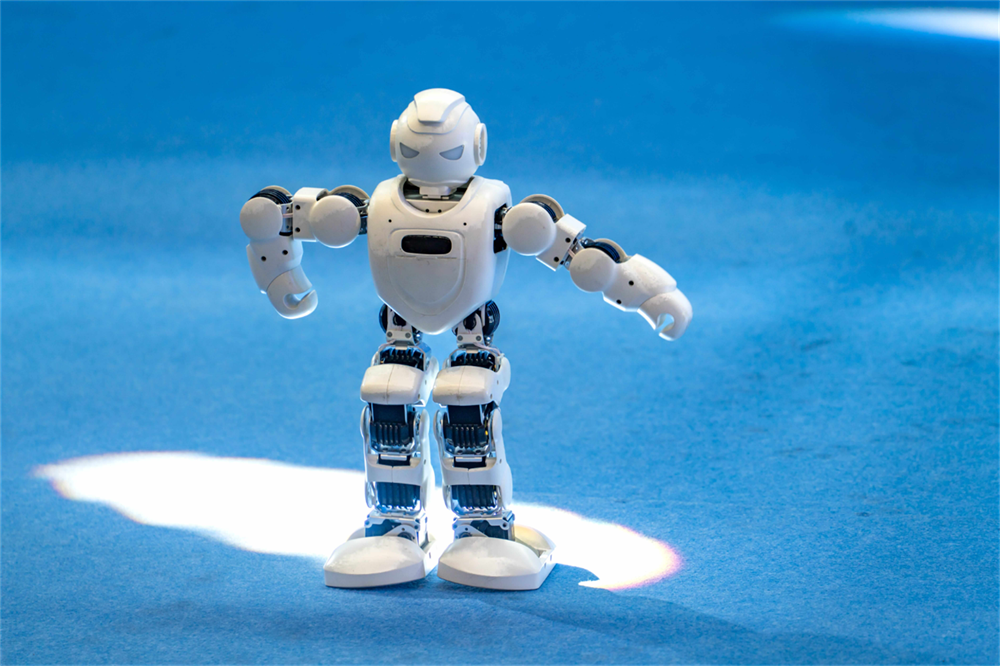
I think Tesla may no longer produce cars and SUVs in less than three years. This judgment is not groundless, but an inevitable conclusion based on Tesla's strategic layout and business adjustments in recent years. Since 2025, Tesla has clearly proposed to transform from a hardware centric company to a physical artificial intelligence company, gradually shifting resources from traditional electric vehicle business to more promising fields, and even starting to retire production capacity for the transformation - it has decided to cut off the Model S and X models, plan to stop production before the end of the second quarter of 2026, and transform the relevant production line at the Fremont factory into the production line of the humanoid robot Optimus, with a planned annual production capacity of 1 million units.
Investors who want to understand the 'new Tesla' must first completely abandon the traditional thinking of 'looking at delivery volume, looking at car revenue', because in the future, Tesla's core competitiveness will focus on cutting-edge technologies such as AI, humanoid robots, energy storage, and autonomous driving, rather than car production. From the current layout, Tesla's transformation path is very clear, and all its actions are centered around the positioning of a "physical artificial intelligence company", gradually building a new growth curve.
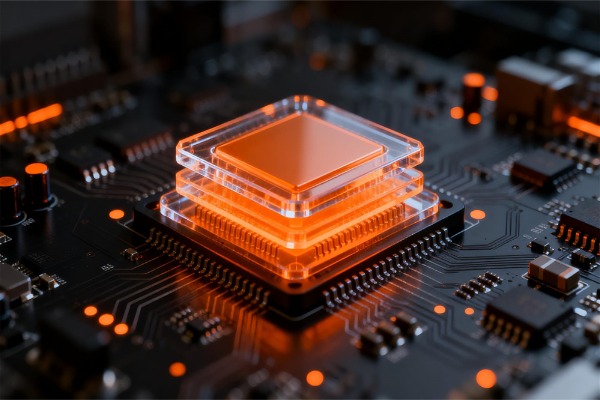
AI is the core engine of the 'New Tesla' and the key logic supporting its high valuation. At the beginning of 2026, Tesla announced that it would invest $2 billion in Elon Musk's AI startup xAI to promote deep cooperation between the two companies in the AI field. At the same time, it plans to invest heavily in building a "TeraFab" chip factory to independently develop and produce AI chips, break through the bottleneck of relying on Samsung and TSMC foundries, and meet its growing computing power needs in the fields of AI, autonomous driving, and robotics - after all, Musk has already admitted that without building a wafer fab, Tesla will hit a "chip wall". At present, Tesla's self-developed AI 5 and AI 6 autonomous driving inference chips have made significant progress, with plans to mass produce them in 2027 and 2028 respectively. Among them, AI 5 will achieve a 50 fold performance improvement compared to AI 4.
The humanoid robot Optimus is the second growth curve that Tesla is fully betting on, and Musk even sees it as a crucial battle to bet on his career reputation, stating that its commercial potential may exceed $10 trillion, far surpassing the automotive business. Tesla plans to release the third generation Optimus robot in the first quarter of 2026, which is the first version that can be mass-produced. Production will start at the end of the year, and the long-term plan is to achieve an annual production capacity of 1 million units. Currently, Tesla is accelerating the transformation of production lines and technological optimization. Musk is confident that Optimus' capabilities will surpass any robot currently under development in China, making it a cross era product.
In addition, energy storage business and autonomous ride hailing services have also become important supports for the 'new Tesla'. In 2025, Tesla's energy storage business will perform well, with a record high installed capacity in the fourth quarter, mainly driven by the record delivery of the ultra large commercial electrochemical energy storage system Megapack. The total gross profit will reach $1.1 billion, achieving five consecutive quarters of record breaking; The global installed capacity of the household energy storage system Powerwall has exceeded 1 million units, supporting over 89000 virtual power plant dispatch operations and saving over 1 billion US dollars in electricity bills for household users. In terms of autonomous ride hailing services, Tesla has started to eliminate safety personnel in the Austin area, with a cumulative paid mileage of over 1 million kilometers. The related services are gradually maturing and becoming an important scenario for the implementation of its AI technology.
HongKong.info Committed to providing fair and transparent reports. This article aims to provide accurate and timely information, but should not be construed as financial or investment advice. Due to the rapidly changing market conditions, we recommend that you verify the information yourself and consult a professional before making any decisions based on this information.

Popular Hong Kong News

Recommended Reading



Popular Searches
Related News