Real estate market in 2026: The national market slows down and bottoms out, with Hong Kong leading the way for 9 consecutive months of gains


1、 National real estate market: slow decline builds bottom, differentiation and recovery difficult to change overall stable trend
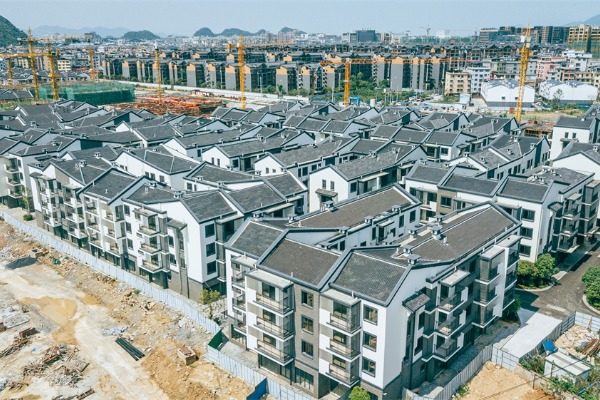
In 2026, the mainland's real estate market policy will intensify intensively, but the recovery will be mild and slow, still in the stage of gradual decline and bottoming out. Shi Yongqing from Zhongyuan Group pointed out that the core contradiction of the mainland real estate market is overdevelopment and vacant housing. Even with policy support, the focus will still be on "resting and recuperating" in 2026.
In terms of price trend, the national real estate market presents a pattern of "core stabilization and slow decline in the third and fourth tier". Data shows that in January 2026, the average price of new houses in 100 cities increased by 0.18% month on month and 2.52% year-on-year. The decline in second-hand houses narrowed, but the rebound was only concentrated in core cities. The transaction volume of second-hand houses in Beijing and Shanghai increased by more than 20% year-on-year, and the turnover rate of strong second tier core sectors such as Hangzhou and Chengdu exceeded 90%; Third - and fourth tier cities are still experiencing a gradual decline and adjustment, with significant inventory pressure.
The policy focuses on "stabilizing expectations, stabilizing housing prices, and stabilizing prices", optimizing real estate policies in over 60 cities. Core cities have lifted purchase and sale restrictions, and the interest rate for first-time home loans has been reduced to 3.5% to 4%. However, the transmission of policies lags behind, the debt risks of real estate companies have not been fully resolved, market confidence is slowly recovering, and the overall decline is slow and difficult to rise.

2、 Hong Kong property market: up for 9 consecutive months, strong recovery momentum leading the world
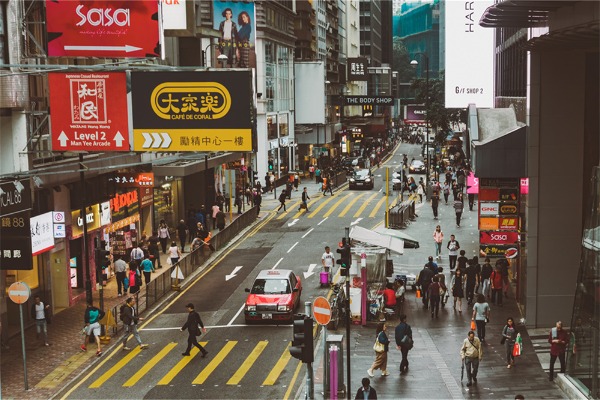
The Hong Kong property market has rebounded since hitting bottom in June 2025 and has been rising for nine consecutive months as of February 2026. According to data from the Special Administrative Region government, the price index of private residential properties in January 2026 was 301.4 (the highest since June 2024), an increase of 0.53% month on month, with a cumulative increase of over 8% in 9 months, highlighting the outstanding performance of the luxury housing sector.
Multiple institutions have raised their expectations for price increases: JPMorgan Chase has raised its 2026 growth rate from 5% to 7% to 10% to 15%, believing that the industry has entered an "expansion period"; Goldman Sachs has adjusted it to 12%, with the core logic being strong rents and a downward trend in mortgage rates driving "subletting for buying", coupled with the release of demand through the cancellation of the housing market's hot tactics; Shi Yongqing predicts that the increase will exceed 10%, and the wait-and-see group will accelerate their entry.
The core of the continuous rise in Hong Kong's real estate market is due to three supports: firstly, the active financial market, abundant funds, and strong demand for high net worth individuals to allocate funds; The second is economic recovery, the improvement of residents' purchasing power, and the release of demand for high-end industry real estate; The third is loose policies, including the cancellation of spicy measures and the lowering of interest rates and thresholds. Coupled with scarce land and tight supply of new houses, the imbalance between supply and demand has driven up housing prices.
HongKong.info Committed to providing fair and transparent reports. This article aims to provide accurate and timely information, but should not be construed as financial or investment advice. Due to the rapidly changing market conditions, we recommend that you verify the information yourself and consult a professional before making any decisions based on this information.

Popular Hong Kong News

Recommended Reading