The non-ferrous metal sector is strong and rising, with large and medium-sized mining leading the market


1、 Collective strength of sectors, multiple stocks rise together
The non-ferrous metal sector performed outstandingly today, with the overall increase ranking first and a significant increase in fund activity. As of the close, the non-ferrous metal index rose by 4.50% to 10385.26 points, with a daily turnover of over 114.3 billion yuan and a net inflow of over 3.8 billion yuan, becoming the core flow of market funds.
In terms of individual stocks, Dazhong Mining became the leader of the sector, with its stock price hitting the daily limit up strongly and ultimately closing up 9.37%, with a total market value approaching 80 billion yuan. Mount Everest in Xizang followed closely with an increase of more than 9%, becoming the second largest gainer in the sector. In addition, industry leaders such as Western Mining and Chifeng Gold have simultaneously strengthened, with gains exceeding 3%, driving most stocks in the sector to rise in the red, forming a clear linkage effect between sectors.
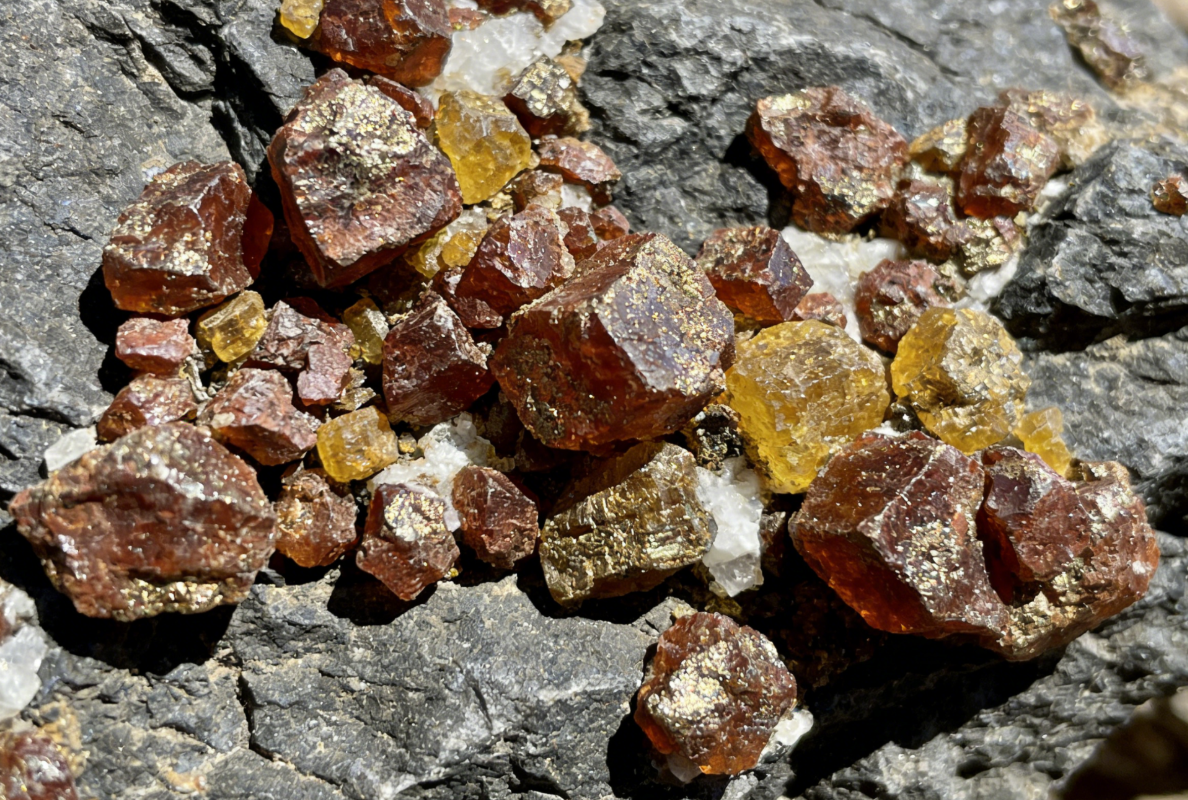
2、 Large and medium-sized mining industry hits limit up: lithium mining transformation drives value reassessment
Dazhong Mining hit the daily limit up this time, driven by the breakthrough progress of the company's lithium mining business and the implementation of the "iron lithium dual wheel drive" strategy. As a traditional iron ore leader, Dazhong Mining has accelerated the layout of the new energy lithium industry chain in recent years, and the transformation has achieved significant results.
The company's Jijiaoshan lithium mine in Hunan has obtained the first lithium mining license in the country after the implementation of the new Mineral Resources Law, highlighting its compliance and scarcity. The planned annual production capacity of the mine is 10 million tons of beneficiation project, which is expected to be put into operation in the fourth quarter of 2026, corresponding to a production capacity of approximately 40000 tons of lithium carbonate equivalent; Combined with the resources of the Jiada lithium mine in Sichuan, the total registered lithium carbonate equivalent resources in the first mining area of the two lithium mines exceed 4.72 million tons, with a planned total production capacity of 130000 tons per year, indicating strong resource reserves.
At the same time, the company's iron ore business has stable profitability, contributing over 96% of revenue in 2025 and maintaining a gross profit margin of over 50%, providing sufficient cash flow support for lithium mine development. This "traditional resource stable chassis+new energy high growth" model allows the company to have both anti cyclical ability and growth elasticity, and is highly favored by funds.
3、 Deep logic of sector rise: supply and demand resonance+performance policy benefits both parties
The collective rise of the non-ferrous metal sector this time is not accidental, but the result of the resonance of three factors: supply and demand pattern, performance realization, and policy empowerment.
On the supply side, the global supply of non-ferrous metal resources continues to tighten. Strict quota management is implemented for domestic rare earth and lithium mines, and the first batch of rare earth mining indicators will only slightly increase by 2026; The suspension of mining of ion type rare earth mines in Myanmar and the ban on rare earth raw material exports in Vietnam have exacerbated global supply shortages. At the same time, the long development cycle of mineral resources and insufficient capital expenditure, coupled with environmental policy constraints, have led to slow growth in the supply of most metal varieties, maintaining a tight balance between supply and demand.
On the demand side, the demand for emerging industries is rapidly expanding. The fields of new energy vehicles, wind power, photovoltaics, etc. are steadily growing, and emerging tracks such as AI servers, humanoid robots, and low altitude economy have become new engines of demand growth. Data shows that the copper consumption of AI servers is 3-5 times that of traditional servers, and the copper consumption of new energy vehicles is 4 times that of fuel vehicles, directly driving the growth of demand for metals such as copper, lithium, and rare earths.
At the performance and policy level, the first quarter performance of companies within the sector was generally impressive. The net profit of Northern Rare Earth in the first quarter increased significantly by 113.12% year-on-year, while the net profit of Chifeng Gold doubled year-on-year. The rise in core product prices became the core driving force for performance growth. In terms of policies, the Ministry of Industry and Information Technology has launched the "Modular Resonance" action to promote the integration and development of AI in the non-ferrous metal industry, which is beneficial for the release of demand for small metals in high-end manufacturing, semiconductors and other fields. In addition, the Ministry of Natural Resources disclosed that China's 14 mineral reserves rank first in the world, strengthening the strategic advantage of the industrial chain and boosting market confidence.
HongKong.info Committed to providing fair and transparent reports. This article aims to provide accurate and timely information, but should not be construed as financial or investment advice. Due to the rapidly changing market conditions, we recommend that you verify the information yourself and consult a professional before making any decisions based on this information.

Popular Hong Kong News

Recommended Reading