It is understood that the sharp decline in purchasing volume in January 2026 is not due to the deterioration of demand fundamentals, but rather a temporary adjustment caused by multiple short-term factors. The first and foremost issue is the severe fluctuation of gold prices, which has become a key factor restricting the central bank's immediate purchase of gold. In January 2026, the international gold price experienced an epic volatility, reaching a historical peak of $5600 per ounce on January 29th. However, just one day later, it plummeted by 7%, and its market value evaporated by nearly $200 billion in three days. This extreme volatility has led many central banks to temporarily suspend their gold purchase plans to avoid short-term price risks and wait for a more suitable entry opportunity. Marissa Salim, Senior Research Director for Asia Pacific at the World Gold Council, also pointed out that fluctuations in gold prices were one of the important reasons for the slowdown in January's gold purchasing momentum. Most central banks' gold purchasing behavior is strategic and long-term, and will not change their overall layout due to short-term price fluctuations, but will flexibly adjust their purchasing pace.
The impact of holiday factors cannot be ignored. January coincides with the traditional holiday of many major economies around the world, and the pace of central bank foreign exchange reserve adjustment has slowed down, resulting in a natural decrease in gold purchase operations. This seasonal factor further amplifies the decline in monthly gold purchase volume. From historical data, the beginning of the year is often the off-season for central bank gold purchases. After the holidays, the pace of gold purchases usually gradually recovers. Therefore, the sluggish performance in January is more a reflection of seasonal fluctuations rather than a trend turning point.
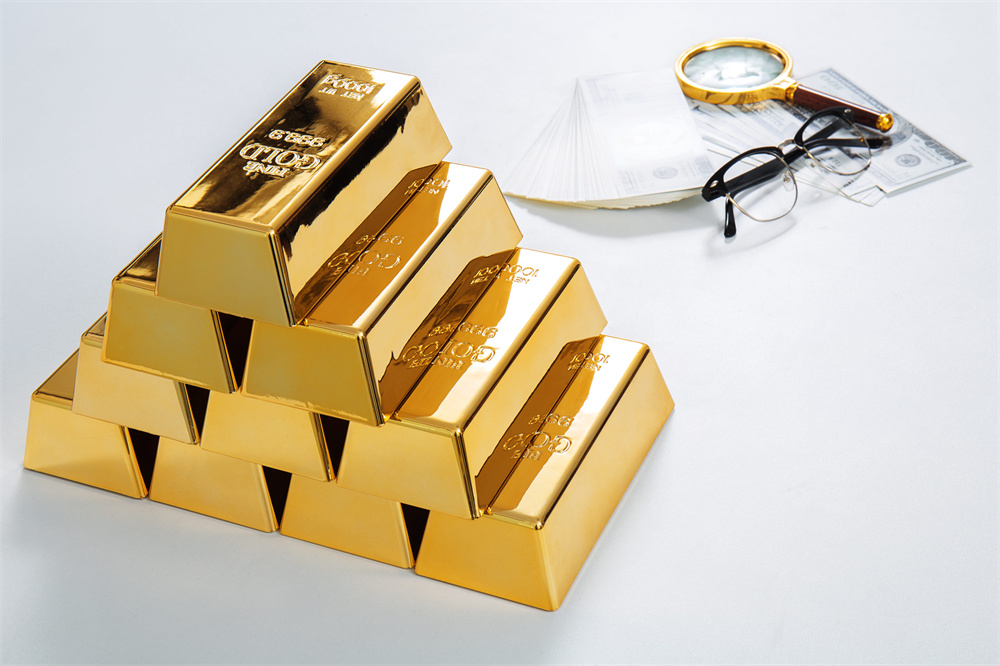
It is worth noting that despite a significant decline in monthly gold purchases, the demand base for gold from global central banks is continuing to expand, and the entry of new sovereign buyers has become the most eye-catching signal. Among them, the National Bank of Malaysia resumed gold purchases for the first time in January, increasing its holdings by 3 tons of gold. This was its first gold purchase since 2018. As of the end of January, Malaysia's gold reserves had risen to 42 tons, accounting for 5% of the total reserves. In addition to Malaysia, the Bank of Korea has also shown renewed interest in increasing its exposure to gold after a long absence. These new sovereign buyers not only enrich the main structure of global central bank gold purchases, but also confirm the increasing importance of gold in global reserve asset allocation, and the demand base has not weakened due to the slowdown of short-term gold purchases.
In the long run, the core logic driving global central banks to increase their holdings of gold has not changed, and the continued fermentation of geopolitical risks remains a key driving force. At present, the global geopolitical conflicts are showing a trend of "multipoint flowering". The continuation of the Russia-Ukraine conflict, repeated tensions in the Middle East, fragmentation of the global trading system and other issues have made central banks of all countries pay more attention to the security and diversification of reserve assets. As a "non credit asset", gold has a value storage function independent of any country's credit system, and is the core choice to hedge geopolitical risks and prevent dollar credit risks. The World Gold Council has made it clear that there is no sign of easing geopolitical tensions, and it is expected that global central bank gold reserve accumulation will continue in 2026 and beyond. The slowdown in gold purchases in January is only a short-term adjustment and will not change the long-term trend of increasing holdings.
HongKong.info Committed to providing fair and transparent reports. This article aims to provide accurate and timely information, but should not be construed as financial or investment advice. Due to the rapidly changing market conditions, we recommend that you verify the information yourself and consult a professional before making any decisions based on this information.

Popular Hong Kong News

Recommended Reading