1、 The situation in the Middle East has eased, and geopolitical premiums have been concentrated and cleared
The core driving force behind this round of oil price decline is the continued easing of tensions in the Middle East and a significant reduction in the risk of supply disruptions. In the past few months, the escalation of the US Iran conflict and the obstruction of shipping in the Strait of Hormuz have raised concerns in the market that about 20% of global oil transportation channels are blocked. Oil prices have rapidly surged and accumulated a "war panic premium" of $15-20 per barrel. Since April, the United States and Iran have repeatedly issued negotiation signals. On the 11th and 12th, the two sides initiated dialogue in Islamabad. On the 14th, the United States hinted again that it would restart negotiations, and Iran also stated that it would avoid escalating the conflict.
With the rapid cooling of geopolitical risks and the large-scale withdrawal of speculative funds accumulated in the early stage, oil prices plummeted in response. New York crude oil fell nearly 8% in a single day, marking one of the largest daily declines of the year, while Brent crude oil fell below the $95 mark simultaneously. This trend signifies that the market has completely bid farewell to the panic of "supply interruption" and returned to pricing based on supply and demand fundamentals.
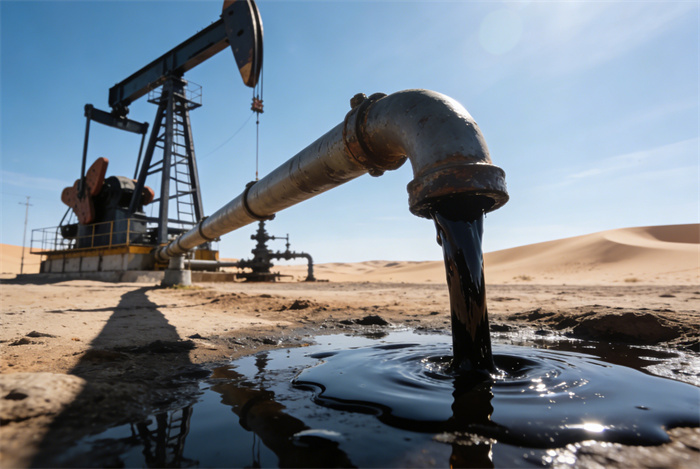
2、 Demand expectation lowered, dual pressure suppresses oil prices
In addition to geopolitical easing, the International Energy Agency (IEA) has lowered its demand expectations, further strengthening market bearish sentiment. On the 14th, the IEA released a report that lowered the expected daily average global oil demand for 2026 by 80000 barrels, and warned that demand in the second quarter may decrease by 1.5 million barrels per day, the largest quarterly decline since the pandemic. The global economic recovery is slowing down, the replacement of new energy vehicles is accelerating, and the warm winter has led to a decline in demand for heating oil. Multiple factors are compounded, resulting in weak growth in oil demand.
On the supply side, US crude oil inventories continue to rise, OPEC+production expectations are heating up, and the market supply and demand pattern is shifting towards relaxation. On the one hand, US inventories have been increasing for several consecutive weeks, indicating pressure from oversupply; On the other hand, the market expects OPEC+to adjust its production reduction strategy to further alleviate supply shortages. The combination of geopolitical cooling, weak demand, and loose supply has jointly pushed down oil prices significantly.
3、 The domestic market benefits, and the price reduction of refined oil products is expected
The decline in international oil prices has brought multiple benefits to the domestic market. As the world's largest crude oil importer, the decline in oil prices will significantly reduce China's crude oil import costs, saving billions of dollars in foreign exchange expenses annually and reducing the burden on the real economy. The most direct beneficiaries are the majority of car owners. According to the "10 working days adjustment" mechanism in China, this round of sharp decline will be included in the price adjustment window on April 21, and domestic gasoline and diesel prices are expected to see a significant reduction.
For the industry, downstream sectors such as aviation, logistics, and chemical directly benefit, with significantly reduced fuel and raw material costs and significantly increased profit margins. The oil and gas extraction sector is facing short-term pressure, but overall positive news outweighs negative news. For ordinary people, the reduction in travel costs and logistics expenses will gradually be transmitted to the consumer end, easing the pressure of rising prices.
HongKong.info Committed to providing fair and transparent reports. This article aims to provide accurate and timely information, but should not be construed as financial or investment advice. Due to the rapidly changing market conditions, we recommend that you verify the information yourself and consult a professional before making any decisions based on this information.

Popular Hong Kong News

Recommended Reading