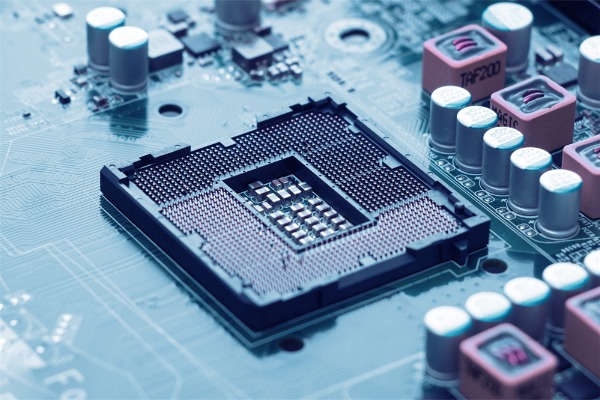
H200 is a core processor developed by Nvidia for advanced AI computing. It is a product adjusted by Nvidia under the US export control framework to adapt to the Chinese market and has been approved by the US. It is considered a key factor in Nvidia's return to the high-end AI chip market in China. The market originally expected that its entry into the market could alleviate the domestic AI computing power gap and help Nvidia regain market share in China, achieving a win-win situation. But the customs interception shattered this expectation, and even with permission from the US, H200 was unable to enter the country, causing a complete halt in supply chain delivery.
According to informed sources, the customs clearance was blocked without warning, directly forcing upstream and downstream suppliers to urgently shut down. The supply chain layout around H200 has been formed, and enterprises in server outsourcing, optical modules, PCB boards and other links have completed production capacity and order preparation. Industrial Fulian, Zhongji Xuchuang, Shanghai Electric Power Co., Ltd. and other enterprises have prepared supporting production capacity. The obstruction of entry has led to the risk of idle investment in the early stage, forcing suppliers to suspend production and re evaluate orders, and putting the industrial chain in a passive adjustment.
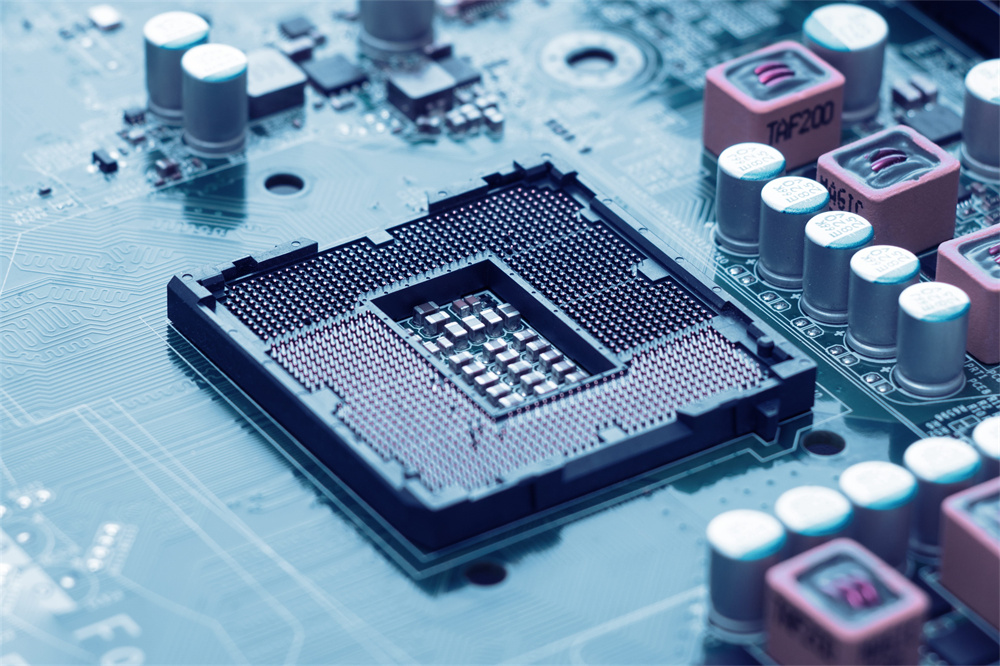
Behind the incident is the deepening of the chip game between China and the United States. On January 13th local time, the US revised its export rules, changing H200 exports to China from "presumed refusal" to "case by case review". Although it appears to be released, it is actually accompanied by strict conditions such as third-party review, sales quota, and 25% revenue sharing. Essentially, it is a "technology for profit" exchange to maintain hegemony. The US side wants to make profits while fearing China's increase in computing power, and China's interception is a response to this "conditional release", demonstrating considerations for supply chain security and technological autonomy.
It should be noted that the H200 is not Nvidia's most advanced product and is one generation behind the Blackwell series. The US release aims to delay China's independent research and development and harvest dividends with "sub high end" technology. But China has upgraded its vigilance towards chip security. Previously, H20 chips had security vulnerabilities, and H200 supply is still influenced by geopolitics, posing significant risks. This interception is not only a countermeasure against the unreasonable policies of the United States, but also a strategic layout to promote domestic substitution and seize the leading position in the industrial chain.
This has a significant impact on Nvidia. As a core AI market, China's market share is crucial to Nvidia's performance. Huang Renxun has emphasized the importance of the Chinese market and is willing to accept a share to return to China. The obstruction of H200's entry has resulted in its early preparations being in vain, and the stagnation of the supply chain has affected global capacity allocation, leading to uncertainty in future shipments to China. For the domestic industrial chain, there may be short-term pressure to adjust orders, but in the long run, it will accelerate the iteration of domestic chips, providing space for enterprises such as Cambricon and Boren Technology, and promoting the pattern of "domestic production as the mainstay and import filling the gap".
HongKong.info Committed to providing fair and transparent reports. This article aims to provide accurate and timely information, but should not be construed as financial or investment advice. Due to the rapidly changing market conditions, we recommend that you verify the information yourself and consult a professional before making any decisions based on this information.

Popular Hong Kong News

Recommended Reading



Popular Searches
Related News