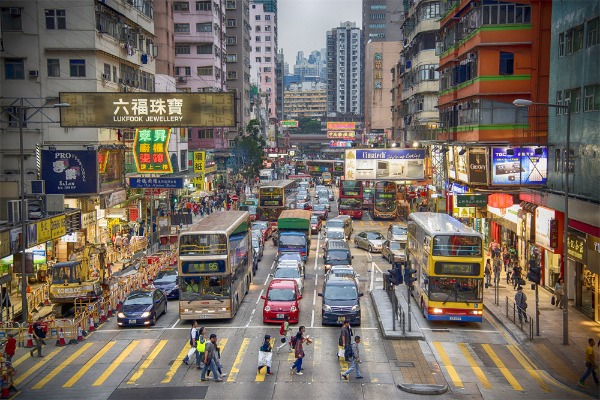
The original intention of implementing the "mandatory wearing order" in Hong Kong is to ensure passenger safety, which is beyond doubt. From a safety perspective, whether or not there are mandatory regulations, actively wearing seat belts when conditions permit is the best choice. But many tourists are unaware that the seat belt regulations in many popular tourist destinations around the world are even stricter than the new regulations temporarily suspended in Hong Kong. Once violated, high fines may cost the entire travel budget.
The hasty implementation and urgent suspension of the Hong Kong "mandatory wear order" are mainly due to policy loopholes and public feedback. It is reported that Hong Kong passed a revised regulation in September last year, specifying that from January 25, 2026, passengers on public transportation and commercial vehicles must wear seat belts. At the beginning of the new regulations, it was stated that education and publicity would be the main focus, but the maximum punishment still sparked controversy; More importantly, there are loopholes in the provisions, which only apply to buses newly registered after January 25, 2026, and passengers on old buses do not need to be punished if they do not wear them, creating a legal contradiction. In addition, passengers roast problems such as inconvenient operation of safety belts and hidden dangers for children to wear, which were suspended after 6 days of implementation. The authorities said they would seek advice after improving the provisions, and would continue to focus on guidance.

1、 Global tourism hotspot 'belt' regulation inventory: there are many stricter regulations than Hong Kong
Although the "mandatory wearing order" in Hong Kong has been temporarily suspended, it serves as a warning to overseas tourists: there are significant differences in the regulations for public transportation seat belts among countries, and popular tourist destinations often impose strict penalties and enforcement, so it is not advisable to take chances.
Several popular tourist countries in Europe have already strictly regulated the wearing of public transportation seat belts and imposed high fines. Since 1991, the UK has required rear passengers to wear seat belts. Nowadays, the fine is £ 100 per ticket, with a maximum limit of 5 (about RMB 5000), which is equivalent to the budget of many tourists for one or two days; Germany and France not only require passengers to strictly wear them, but also require dogs to wear special seat belts if they are not placed in the trunk when traveling, otherwise they will be punished. For tourists taking long-distance buses to Europe, it is necessary to fasten your seat belt when getting on the bus.
Some popular destinations in Asia and the Americas also have strict regulations. Singapore has almost zero tolerance for seat belts on tourist buses and long-distance buses, requiring passengers in the front and rear rows to wear them throughout the entire journey. Violators will be fined SGD 1000 (approximately RMB 5000), and drivers will also be held jointly liable; Long distance buses and tourist routes in Thailand require passengers to wear seat belts, and violators will be fined 500 Thai baht (approximately 100 RMB). Multiple violations will result in cumulative fines and affect travel.
It should be noted that countries have different definitions of "public transportation", and some countries have regulations covering short distance transportation. For example, in some cities in Australia, it is mandatory to wear seat belts in the front seats of buses, and it is recommended to wear them in the back seats; In most popular tourist states in the United States, such as California and New York, long-distance bus passengers are required to wear it, and violators are fined $200-500 (approximately 1400-3500 RMB), with a high cost of negligence.
2、 Tourist must see: 3 things to do before traveling to avoid pitfalls and financial losses
Facing the huge differences in seat belt regulations among countries, international tourists do not need to be nervous, but they need to prepare in advance to avoid losing money due to unknowingly violating regulations.
Firstly, it is important to understand the destination regulations in advance. Before traveling, clarify the safety belt requirements and penalty standards for local public transportation (especially long-distance buses) through tourism official websites, transportation department announcements, or consulting guides, so as to have a clear understanding.
Secondly, actively wear it to prevent any luck. Regardless of whether there are mandatory regulations or not, as long as the seat is equipped with a seat belt, it should be actively worn to ensure safety and avoid negligence and violations. This is also the core purpose of relevant regulations issued by various countries.
Finally, pay attention to details and avoid unexpected violations. Some countries have specific requirements, such as requiring children to use dedicated safety seats that cannot be shared with adults; If the seat belt is damaged, the driver should be informed promptly to change seats. At the same time, pay attention to the warning signs on the carriage and strictly follow the relevant requirements.
HongKong.info Committed to providing fair and transparent reports. This article aims to provide accurate and timely information, but should not be construed as financial or investment advice. Due to the rapidly changing market conditions, we recommend that you verify the information yourself and consult a professional before making any decisions based on this information.

Popular Hong Kong News

Recommended Reading








Popular Searches
Related News