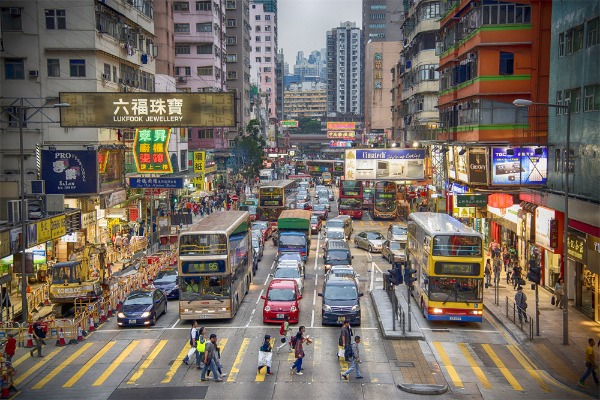
Visitors to Hong Kong have recovered to 88%, ushering in a new transformation in consumption structure and customer source pattern


1、 Recovery progress exceeds expectations, inbound arrivals approach pre pandemic levels
After years of adjustment, Hong Kong's tourism industry has returned to a growth track. The overall number of inbound visitors to Hong Kong in the first four months of 2026 has recovered to 88% of its pre pandemic peak, exceeding market expectations. With the continuous facilitation of customs clearance policies, the consecutive hosting of cultural and tourism events, and the continuous improvement of tourism supporting services, Hong Kong's attractiveness to domestic and foreign tourists continues to rebound, and the industry's prosperity has fully recovered. Hotels, retail, catering, and cultural and tourism consumption have benefited simultaneously, injecting strong momentum into the local consumer economy.
2、 Consumer logic reconstruction shifts from impulse shopping to rational experience
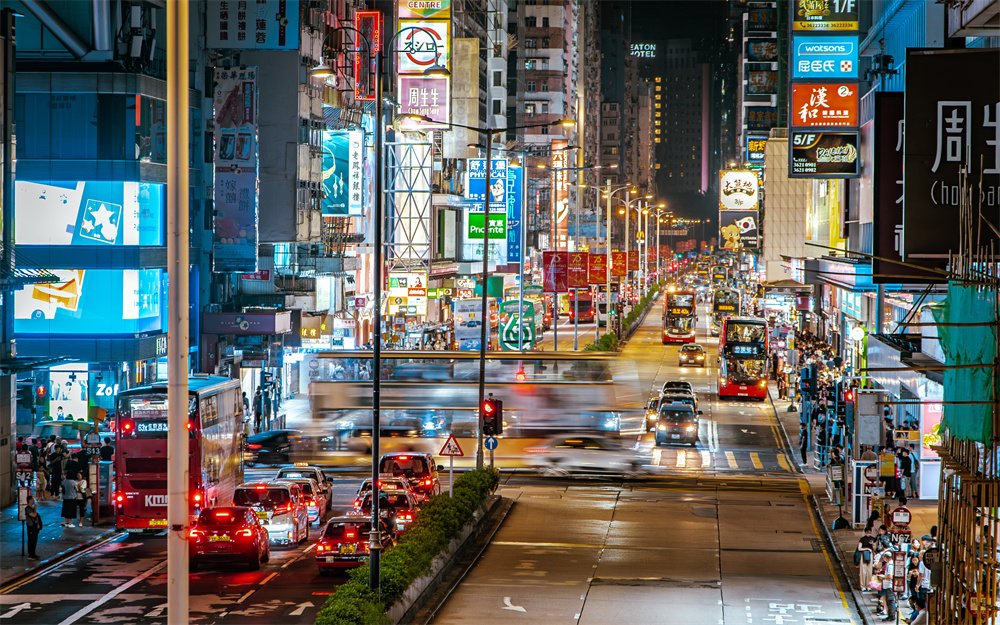
Unlike the impulse consumption of luxury goods before the epidemic, there has been a fundamental change in the consumption concept of tourists visiting Hong Kong, with rational consumption, emphasis on experience, and value becoming new trends. Tourists are no longer blindly pursuing high-end shopping and consumption, but are more willing to invest their expenses in cultural tourism check-in, specialty cuisine, theme play, local life experiences, and other scenes, greatly enhancing their leisure and vacation attributes.
The transformation of consumption structure has also forced Hong Kong's retail and tourism industries to transform and upgrade, gradually shifting from traditional shopping orientation to experiential, leisure, and in-depth tourism models, promoting the upgrading of tourism industry quality.
3、 There is a significant difference in travel patterns between the Greater Bay Area and tourists from other regions
Currently, there are two clear travel characteristics among tourists visiting Hong Kong, with a significant difference in consumption and duration of stay.
Local tourists in the Greater Bay Area mainly travel short distances on the same day, with a fast travel pace and short stay time. The average expenditure per person is about 1000 yuan, mainly used for dining, transportation, and daily shopping, leaning towards light consumption and high-frequency travel modes.
Non Greater Bay Area tourists tend to choose overnight in-depth tours, with an average stay of up to 2.6 nights. They are willing to spend more time experiencing Hong Kong's urban landscape, cultural and tourism attractions, and daily life, with a per capita total expenditure of up to 5000 yuan, which is several times that of short distance tourists in the Greater Bay Area and has become the core driving force for high-end consumption in Hong Kong.
HongKong.info Committed to providing fair and transparent reports. This article aims to provide accurate and timely information, but should not be construed as financial or investment advice. Due to the rapidly changing market conditions, we recommend that you verify the information yourself and consult a professional before making any decisions based on this information.

Popular Hong Kong News

Recommended Reading






Popular Searches
Related News