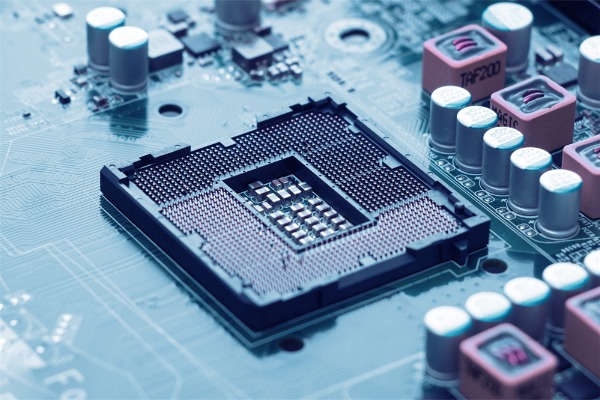
Storage chip prices may continue to rise, putting pressure on the mobile phone industry to collectively adjust prices


1、 Price surge+continued shortage, storage chips enter a 'super upward cycle'
The current global imbalance between supply and demand of storage chips is intensifying, with strong price increases. Data shows that in the first quarter of 2026, DRAM prices increased by 55% -60% month on month, while NAND flash prices increased by 33% -38% month on month, marking the largest quarterly increase in recent years. Since hitting bottom and rebounding in the second half of 2024, storage chip prices have continued to rise for multiple quarters, with further expansion in early 2026. DDR5 spot prices have doubled since September 2025, and DRAM prices have increased by as much as 171% year-on-year.
The core reason for the price increase is the surge in demand for AI, which is squeezing production capacity. The CEO of Xinsi Technology warns that most of the top manufacturers' memory chips are flowing towards AI infrastructure, especially with the explosive demand for HBM, which consumes three times more wafer capacity than traditional DRAM. Samsung, SK Hynix, and Micron are tilting their production capacity towards HBM, directly leading to a reduction in the output of standard DRAM and NAND flash memory, and an expansion of the supply and demand gap.
The tight supply chain is difficult to alleviate in the short term. Although the three giants plan to expand production, it will take more than two years for their production lines to be put into operation, and the newly added capacity will be concentrated after 2027. There will still be a structural mismatch of "surge in demand and lag in supply" in 2026. Multiple institutions predict that the shortage of storage chips will continue until 2027, and some believe that the shortage may last for two to three years, with price increases throughout the entire 'super cycle'.
2、 Cost pressure transmission: Mobile phone manufacturers collectively adjusted prices in early March, with low-end models being the hardest hit
As the core component of mobile phones, the skyrocketing price of storage chips directly drives up manufacturers' procurement costs, with a year-on-year increase of over 80%. Some categories have seen a nearly 200% increase in spot prices in the past three months, becoming the core reason for the collective price adjustment in the mobile phone industry.
OPPO、vivo、 Top brands such as Xiaomi and Honor have planned to launch price adjustments in early March, which is the largest and most significant collective price adjustment in the past five years. Some manufacturers predict that there may be multiple price adjustments in the domestic mobile phone market in 2026. After March, new products will be the main force for price adjustment, and some old models will follow suit. Among them, low-end Android models will be the most affected.
Low end Android models have meager profits and are more sensitive to changes in storage costs. After cost increases, they have almost no profit and can only pass on costs. At present, new models such as Redmi K90 and iQOO 15 have already increased their prices by 100-600 yuan, with mid-range models experiencing a maximum increase of 20%. The starting price of Samsung Galaxy S26 Standard Edition has increased by 1000 yuan. Counterpoint predicts that the average price of new domestic mobile phones will increase by 15% -25% year-on-year in 2026, with a price difference of up to 2000 yuan for versions with the same configuration and large storage. The price adjustment for low-end Android models will be the largest.
3、 Chain reaction across the entire industry chain, multiple industries are under pressure to move forward
The shortage and price increase of storage chips have triggered a chain reaction across the entire industry chain, affecting areas such as consumer electronics, automobiles, and telecommunications. Sony plans to postpone the release of the next generation PlayStation until after 2028, Nintendo is considering raising the price of Switch 2, Cisco has given a weak profit outlook due to memory shortages, and the automotive industry is experiencing panic buying.
The price increase has driven the growth of demand in the upstream semiconductor sector, driving global investment in computing infrastructure. However, downstream terminal manufacturers are facing enormous cost pressures, and small and medium-sized enterprises may exit the market due to difficulty in bearing costs, increasing industry concentration and potentially suppressing consumer demand, impacting terminal sales.
HongKong.info Committed to providing fair and transparent reports. This article aims to provide accurate and timely information, but should not be construed as financial or investment advice. Due to the rapidly changing market conditions, we recommend that you verify the information yourself and consult a professional before making any decisions based on this information.

Popular Hong Kong News

Recommended Reading









Popular Searches
Related News