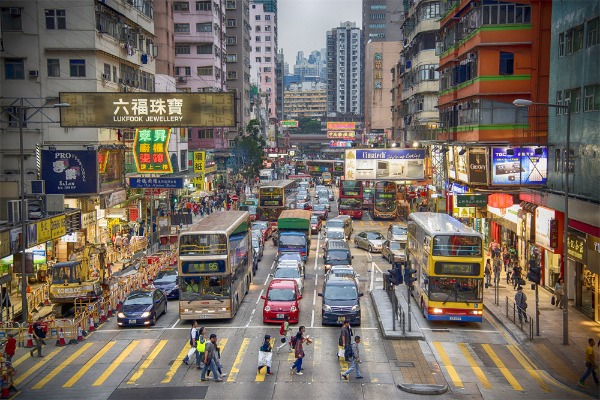
According to relevant data from the Hong Kong Special Administrative Region government, the total number of visitors to Hong Kong in 2025 reached 49.895 million, a year-on-year increase of 12.1%. This key data marks the smooth recovery of Hong Kong's tourism industry from the impact of the epidemic and its basic return to pre epidemic development levels. Behind this recovery report is the continuous empowerment of the central government's pro Hong Kong policies, the active promotion of the SAR government, and the joint efforts of the tourism industry. The hosting of various large-scale events has directly driven the growth of foot traffic, making Hong Kong a popular destination for global tourists once again.
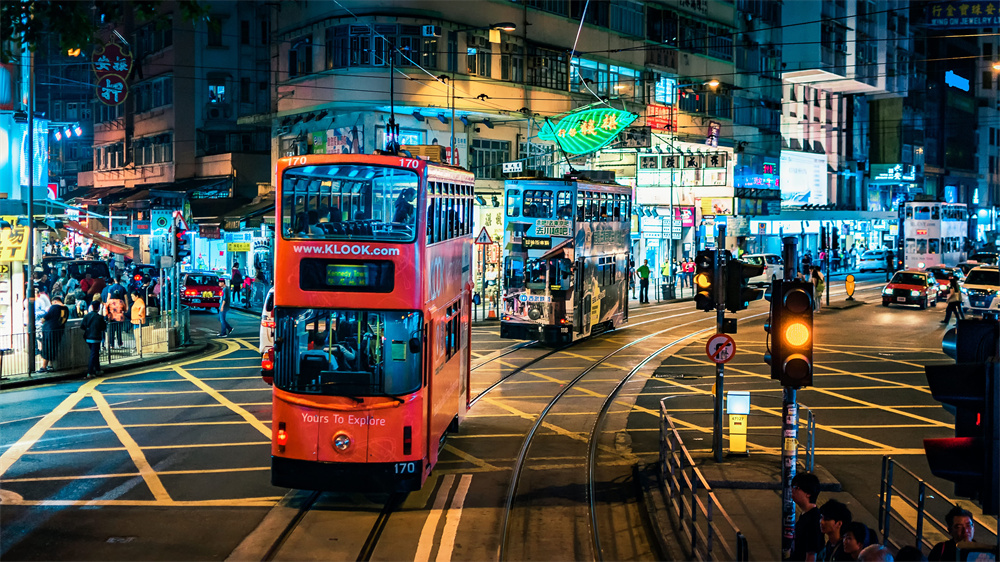
From the perspective of customer source structure, the recovery of Hong Kong's tourism industry presents the characteristics of "internal and external improvement", with synchronous growth of mainland and non mainland customers and a more balanced structure. Among them, mainland visitors to Hong Kong remain the core support, reaching 37.834 million people throughout the year, a year-on-year increase of 11.1%, accounting for 75.8% of the total number of visitors to Hong Kong. The implementation of policies such as "Guangdong buses heading south" and "one visa for multiple trips" has further facilitated mainland visitors to Hong Kong, driving the increase in passenger flow and consumption in core business districts; Non mainland visitors to Hong Kong also performed well, reaching 12.1 million people throughout the year, a year-on-year increase of 15%, accounting for 24.2%, demonstrating the continued rebound of Hong Kong's attractiveness to global tourists. At the same time, the passenger experience continues to improve, with an average stay time of 3.1 nights for overnight travelers and a satisfaction score of 8.9 out of 10. The goal of "staying longer, being able to stay overnight, and spending more" is gradually being achieved.
The strong performance of the hotel industry has become an important evidence of the recovery of the tourism industry. By 2025, the annual occupancy rate of Hong Kong's hotel industry will reach 87%, an increase of 2 percentage points year-on-year. The total number of hotel rooms will increase to 93472 (involving 333 hotels), and both supply and demand sides will show a positive growth trend. Especially during holidays, the occupancy rate of hotels in core business districts such as Causeway Bay and Tsim Sha Tsui generally exceeds 90%, and the occupancy rate of some star rated hotels even reaches 95%, fully reflecting the driving effect of tourism recovery on related industries.
It is worth noting that the recovery momentum of the international source market is particularly strong, becoming an important growth pole for the recovery of Hong Kong's tourism industry. Among them, the long-distance market grew by 20.3% year-on-year, with the United States, Australia, and Canada ranking among the top three long-distance customer source markets; The short distance market grew by 13.1% year-on-year, with Taiwan, the Philippines, and Macau becoming the main sources of short distance customers. In high growth markets, the Middle East region grew by 37.2%, Italy grew by 35.4%, Japan grew by 32.4%, Australia grew by 26.5%, and New Zealand grew by 26.7%. Multiple markets achieved double-digit high growth, clearly demonstrating that Hong Kong's attractiveness to global travelers is fully recovering.
HongKong.info Committed to providing fair and transparent reports. This article aims to provide accurate and timely information, but should not be construed as financial or investment advice. Due to the rapidly changing market conditions, we recommend that you verify the information yourself and consult a professional before making any decisions based on this information.

Popular Hong Kong News

Recommended Reading







Popular Searches
Related News