The fuel surcharge adjustment of Hong Kong Airlines this time covers all of its passenger routes, and the increase varies among different routes, with long-distance routes becoming the largest sector with the largest increase. Specifically, the fuel surcharge for flights between Hong Kong and mainland China has been adjusted from HKD 185 to HKD 190, with a one-way increase of HKD 5; The surcharge for short haul flights from Hong Kong to Japan, South Korea, Thailand, Singapore and other surrounding areas has increased from HKD 162 to HKD 212, an increase of HKD 50; Long haul flights from Hong Kong to Europe, America, the Middle East, Africa, and other regions have seen the most significant increase, from HKD 589 to HKD 739, with a direct increase of HKD 150 for one-way flights, reaching the highest price adjustment this time. It is worth noting that some return routes have not been adjusted in sync, such as the fuel surcharge for flights from Japan to Hong Kong remaining unchanged at 7000 yen (approximately 346 Hong Kong dollars).

Hong Kong Airlines did not explicitly state the specific reasons for this price adjustment in the announcement, but the industry generally believes that it is closely related to the recent sharp fluctuations in international oil prices. Since March, global oil supply has been impacted by the geopolitical conflict in the Middle East, and international oil prices have experienced a roller coaster ride. The price of New York crude oil futures once approached $120 per barrel, but then fell sharply. On March 10th, the daily decline exceeded 11%, closing at $83.45 per barrel, the largest daily decline since 2022. This extreme volatility has brought enormous cost pressure to the aviation industry. As the most important variable cost in the aviation industry, aviation fuel procurement accounts for a very high proportion of the total operating costs of enterprises. The significant fluctuations in oil prices directly push up the operating expenses of airlines and compress profit margins, which is also the core incentive for Hong Kong Airlines' sudden price adjustment. In addition, some international routes need to detour due to airspace adjustments, which further increases fuel consumption and exacerbates the difficulty of cost control for airlines, compounded by factors such as exchange rate fluctuations.
The timing of this price adjustment is particularly unfavorable for Hong Kong people planning Easter outings. The Easter holiday is the peak period for Hong Kong people to travel abroad every year. According to past data, the number of Hong Kong people traveling abroad during the first three days of the Easter holiday reached 1.84 million, nearly twice that of the same period in 2023, indicating a strong demand for outbound tourism. During this year's Easter holiday, some Hong Kong residents adjusted their travel plans due to concerns about earthquake risks in Southeast Asia, either switching to high-speed rail groups in mainland China or diverting to Europe and other places. However, there are still a large number of citizens planning to travel abroad for vacation by plane. The sudden increase in fuel surcharges by Hong Kong Airlines means that the travel costs of this group of passengers will increase. Taking long-distance routes as an example, a single person will need to pay an additional HKD 150 for one-way travel. If traveling as a family, the cost increase will be even more significant. Many citizens have openly stated that their holiday travel budget will exceed the limit again.
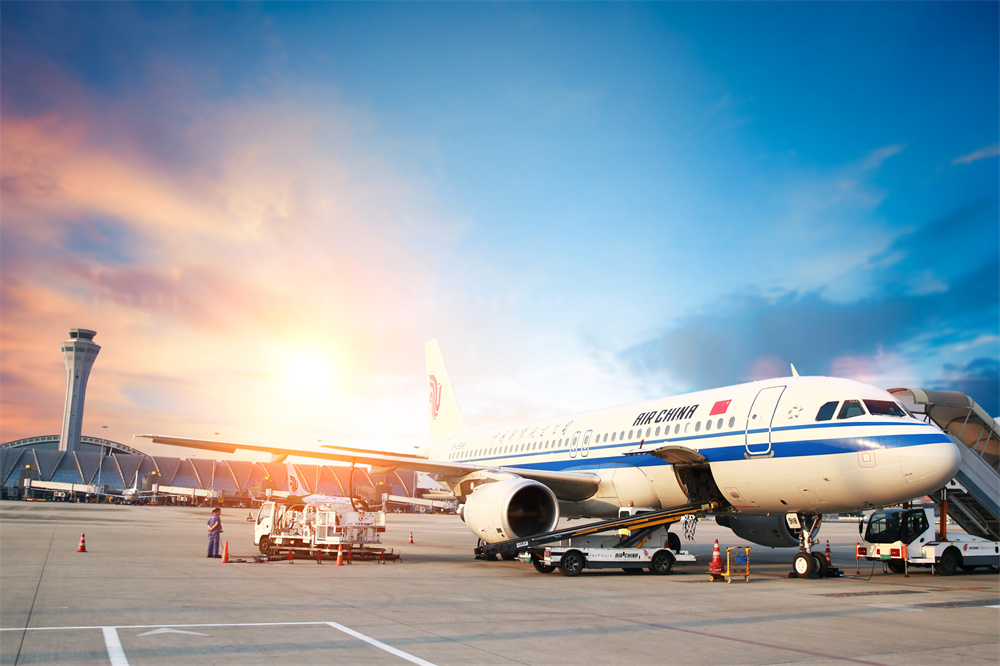
In fact, the price adjustment of Hong Kong Airlines is not an isolated case, and the global aviation industry has been facing pressure from the sharp increase in fuel costs recently. On March 10th, after Hong Kong Airlines announced a price adjustment, Thai Airways International followed suit on March 11th and announced a 10% to 15% increase in ticket prices to cover the pressure brought by rising fuel costs. They also stated that if oil prices continue to rise, they cannot rule out the possibility of further increasing fuel surcharges. In addition, Mediterranean Shipping Company has announced the implementation of an emergency fuel surcharge on the Nordic to Red Sea route from March 16th to address fluctuations in fuel costs and shipping risks.
HongKong.info Committed to providing fair and transparent reports. This article aims to provide accurate and timely information, but should not be construed as financial or investment advice. Due to the rapidly changing market conditions, we recommend that you verify the information yourself and consult a professional before making any decisions based on this information.

Popular Hong Kong News

Recommended Reading









Popular Searches
Related News