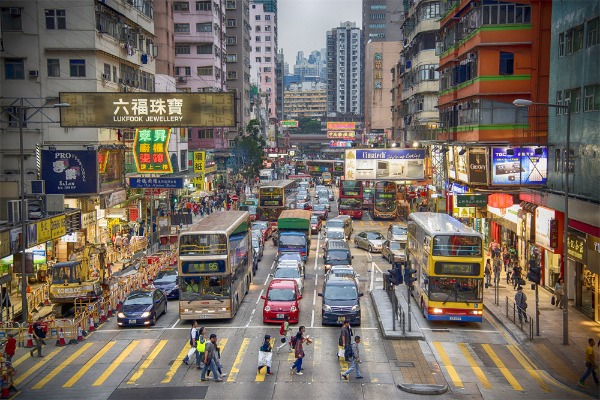
The company is currently focusing on promoting six new railway projects, covering the three core areas of Tuen Mun, Lantau Island, and the northern metropolitan area, with a total investment scale of up to HKD 140 billion; At the same time, it is clarified that from 2026 to 2028, the company's total capital expenditure and investment in Hong Kong railways, property investment and development, as well as mainland and overseas projects, will be approximately HKD 82.6 billion.
The six major railway projects that are being promoted this time focus on key development areas in Hong Kong, with projects related to the northern metropolitan area becoming the core of the layout. As the largest project among them, the Northern Ring Road undertakes the important mission of connecting regional transportation and deepening the linkage between Hong Kong and Shenzhen.
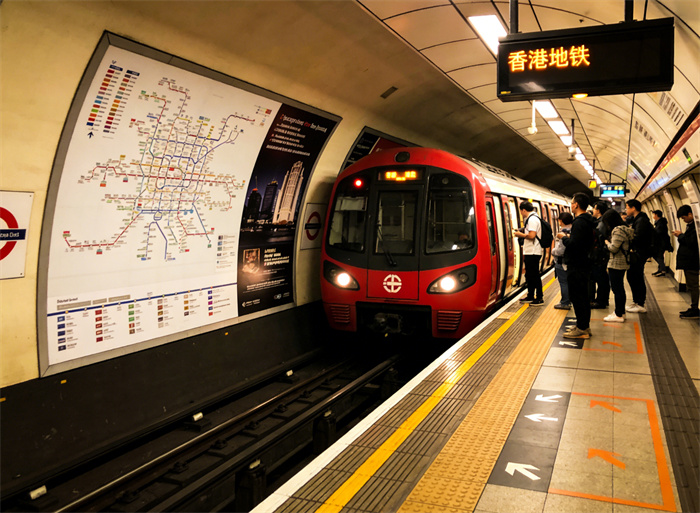
It is reported that the main line of the Northern Ring Road will connect the East Rail Line and the Tunma Line, while the branch line will directly connect to the Huanggang Port in Shenzhen, becoming the third railway connection line between Hong Kong and the mainland that directly crosses the border. After its opening, the travel time from Jinshang Road to Gudong will be shortened from the current 60 to 80 minutes to about 12 minutes, which will effectively activate the development vitality of the northern metropolitan area. At present, the overall construction progress of Gudong Station on the East Rail Line under the North Ring Line is good, and it is expected to achieve structural topping out in November 2025. The goal is to open for operation in 2027, when the station will become the 100th station of MTR and serve the Gudong North New Development Zone first.
In addition to the Northern Ring Road, railway projects in the Tuen Mun and Lantau Island areas are also being promoted simultaneously, forming a multi-point layout and comprehensive linkage of the railway network upgrade pattern. The advancement of these projects will not only significantly improve regional transportation accessibility and alleviate the transportation pressure on existing routes, but also link with Hong Kong's core development model of "railway plus property", drive urban renewal and industrial upgrading along the route, and inject new momentum into Hong Kong's economic development. MTR Corporation Chairman Ouyang Boquan has stated that railways have always been the efficient and reliable backbone of collective transportation in Hong Kong. These new railway projects will significantly enhance the accessibility of key areas and further deepen cross-border connections between Hong Kong and the mainland.
From an industry perspective, the large-scale railway project layout of MTR is highly aligned with the urban development strategy of the Hong Kong Special Administrative Region government. As a new engine for Hong Kong's future development, the northern metropolitan area's railway infrastructure is the core support for connecting regional pedestrian, logistics, and capital flows. Projects in Tuen Mun and Lantau Island will further improve Hong Kong's overall transportation network and contribute to the construction of the "1-hour living circle" in the Greater Bay Area. Chen Meibao, the Secretary for Transport and Logistics of the Hong Kong Special Administrative Region Government, has stated that railway projects such as the Northern Link are landmark infrastructure projects in the northern metropolitan area, and they are also transportation arteries that connect regional development nutrients, greatly enhancing the coverage and resilience of the railway network.
HongKong.info Committed to providing fair and transparent reports. This article aims to provide accurate and timely information, but should not be construed as financial or investment advice. Due to the rapidly changing market conditions, we recommend that you verify the information yourself and consult a professional before making any decisions based on this information.

Popular Hong Kong News

Recommended Reading








Popular Searches
Related News