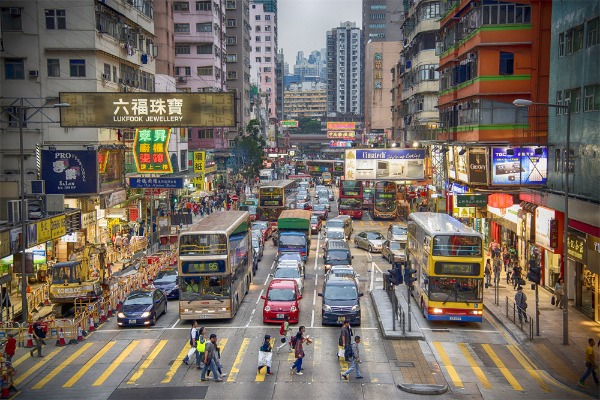
The relevant person in charge of MTR stated that the retail market in Hong Kong has started well this year, with a rebound in passenger volume and local consumption growth in January, injecting momentum into the operation of its shopping malls. It is reported that the occupancy rate of shopping malls in MTR was close to 100% last year. With the advantage of railway customer sources, MTR aims to maintain operational resilience and strive to continue this trend and maintain full occupancy this year. It is worth noting that the newly booked rent of MTR shopping malls decreased by 9.5% year-on-year last year, mainly due to the provision of rental assistance to merchants. After excluding this factor, the rental performance remained on par with the market; In 2025, the retail rental income of the station increased by 1.3% year-on-year, partially offsetting the impact of the decline in new rental orders.
In terms of property development, MTR has accelerated its layout and will assess the situation to promote land and project development. The relevant person in charge revealed that the bidding for the second phase of Jinshang Road Station and the second phase of Tuen Mun Area 16 will be launched within the next 12 months. Among them, the second phase of Jinshang Road Station has started the intention solicitation and is planned to develop into a comprehensive project including a shopping mall; The first phase of Tuen Mun Area 16 has been approved in November 2025, and the second phase will improve regional supporting facilities and bring stable income. By 2025, the profit of MTR property development will reach HKD 11.084 billion, an increase of 8% year-on-year, providing support for subsequent projects.
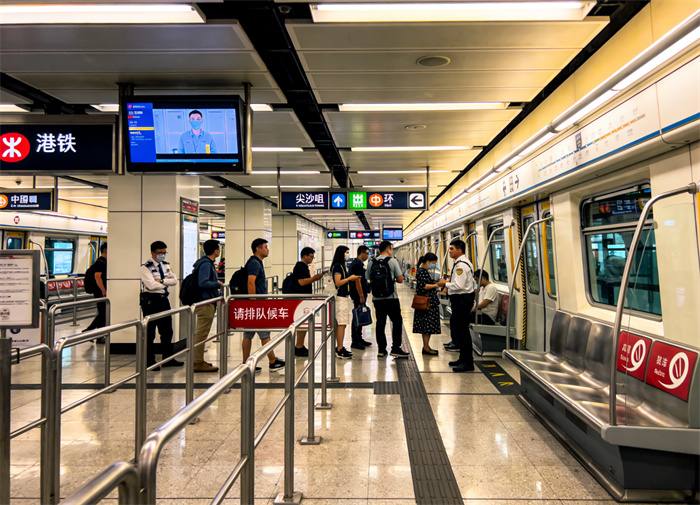
At the same time, the operating losses of MTR Hong Kong's train services expanded last year. CEO Yang Meizhen stated that the main reasons for the losses were fierce industry competition, adverse weather conditions, and rising operating costs. However, the "railway+property" model can balance the revenue of various businesses and is sufficient to meet the needs of railway expansion. This model also feeds back property profits to railway construction and operation, forming a virtuous cycle.
Regarding the fare adjustment, Yang Meizhen stated that the MTR fare adjustment mechanism is transparent and open, and whether the fare will be adjusted in 2026 will depend on the salary data at the end of March. At present, the cumulative delayed increase in the past has exceeded 3%. The revised mechanism links ticket prices to property profits, and the adjustment will be based on the median household income as the ceiling, taking into account both public burden and company operations; The ticket prices for the fiscal year 2025/226 have not been adjusted, and the cumulative increase will be postponed.
Overall, in 2026, MTR will have a good start, with retail recovery supporting mall operations, orderly progress of property projects contributing to profits, and losses in train services will be alleviated under the support of core models. In the future, MTR will adhere to a prudent strategy, promote multi business collaboration, ensure public transportation supply, and achieve sustainable development.
HongKong.info Committed to providing fair and transparent reports. This article aims to provide accurate and timely information, but should not be construed as financial or investment advice. Due to the rapidly changing market conditions, we recommend that you verify the information yourself and consult a professional before making any decisions based on this information.

Popular Hong Kong News

Recommended Reading







Popular Searches
Related News