The core incentive for the "explosive renovation" of student apartments in hotels is the serious supply-demand gap in student accommodation in Hong Kong. The number of students in Hong Kong's tertiary institutions reaches 253000, but the institutions can only provide about 39000 accommodation spaces, accommodating only 16% of the students. With the relaxation of the non local student admission ratio to 50%, demand continues to increase. It is expected that there will be an additional demand for 22300 beds for private student accommodation in the 2027/28 academic year, while the current supply rate is only 0.4%, far below the European average, highlighting the supply-demand contradiction.
Policy relaxation is an important driving force in clearing obstacles for transformation. In July 2025, Hong Kong launched the "Urban Student Housing Scheme", which includes qualified student apartments for hotel use without the need for additional planning procedures. Most of the land does not require land renewal and land premium, and building restrictions are relaxed to allow for the renovation of supporting facilities, reducing time and cost barriers. The follow-up pilot plan will further simplify the process and stimulate the enthusiasm of capital to enter the market.
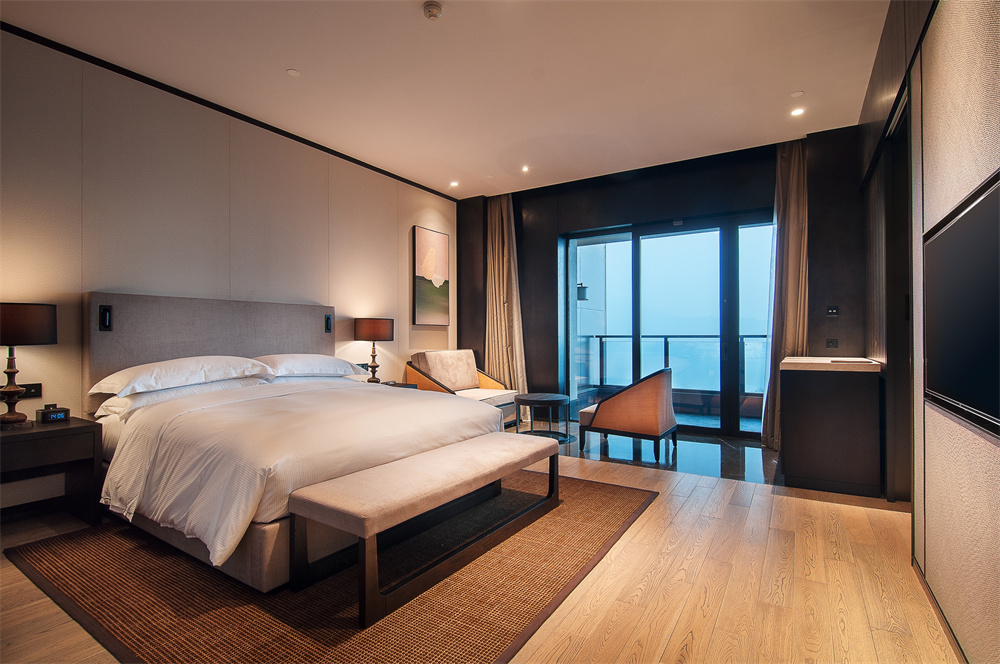
The active layout of capital enables the transformation to be implemented from the trend, and the number of cases continues to increase. Since 2025, China Merchants Group, China Resources Land Development, Hong'an Group, Zhongyuan Real Estate, and others have successively acquired hotels for renovation: China Merchants Group acquired the Kowloon Austin Road Hotel for HKD 206 million, with plans to provide 85 beds; China Resources Land spent HKD 950 million to purchase the Yuepin Hotel in Tsuen Wan; Hong'an Group, in collaboration with American funds, plans to purchase the Xuyi Hotel in Mong Kok and launch a total of 1800 beds. By 2025, there will be 9 related transactions with a total transaction price exceeding HKD 5.4 billion, accelerating the capital layout.
The conversion of hotels into student apartments has both cost and return advantages. The renovation cost is relatively low. According to JLL's calculations, converting a 600 room hotel into a 1318 bed student apartment would cost approximately HKD 300 million. The operational return is considerable, with a long-term occupancy rate of 98% -100%, an annual rental increase of over 10%, and some areas reaching 15%. The net operating income yield exceeds 5%, significantly higher than some hotels, making it a key asset favored by capital.
The hotel renovation has formed a mature model and received good market feedback. After renovation, the original building structure will be retained, guest rooms will be converted into multi bed dormitories, shared facilities will be added, and self-service mode will be adopted to reduce costs. For example, the occupancy rate of the renovated "One Step Residence · 117" at Popway Hotel in Tsim Sha Tsui reached 99%; The first round release rate of the "Rixin She Kai De" renovated by Kowloon Belt Hotel is 97%, confirming strong demand.
Industry insiders say that the renovation craze will not cool down in the short term. The shortage of student accommodation continues to widen, expected to reach 55000 in the 2027/28 academic year. Policy dividends and cost return advantages will attract more capital. However, attention should be paid to issues such as land renewal and accommodation quality control. In the future, more projects will be implemented to alleviate accommodation difficulties, promote efficient utilization of existing commercial real estate assets, and achieve a win-win situation.
HongKong.info Committed to providing fair and transparent reports. This article aims to provide accurate and timely information, but should not be construed as financial or investment advice. Due to the rapidly changing market conditions, we recommend that you verify the information yourself and consult a professional before making any decisions based on this information.

Popular Hong Kong News

Recommended Reading









Popular Searches
Related News