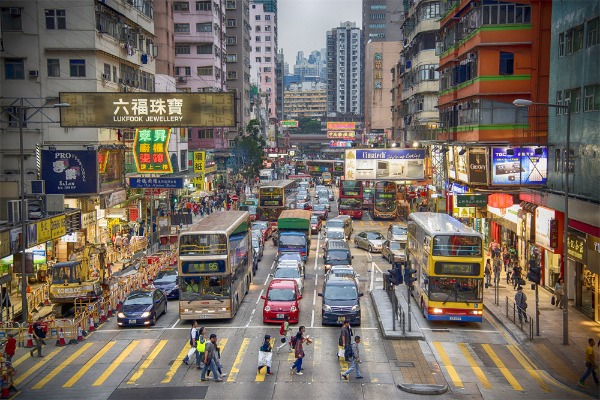
Hong Kong's retail sales in January increased by 5.5% year-on-year: driven by the recovery of the tourism industry, the momentum of consumer recovery continues to strengthen


1、 Retail data shining: Multi category growth, online consumption becoming a new highlight
In January, the retail market in Hong Kong showed a general upward trend, with sales values of most categories increasing year-on-year. Among them, high-end consumer goods and durable consumer goods performed particularly well in the Economic Daily. The categories of jewelry, watches, and precious gifts saw a year-on-year increase of 31.1%, while electrical appliances and other durable consumer goods grew by 38.7%. The categories of automobiles, parts, and furniture also achieved double-digit growth of 18.5% and 16.4%, respectively. Daily consumer categories such as clothing, glasses, books, newspapers, and stationery have seen a slight increase, indicating a comprehensive recovery in consumer demand.
Online retail has become an important growth pole, with online sales worth HKD 3 billion in January, a year-on-year increase of 25.1%, accounting for 8.1% of total retail sales. The synergy between offline entities and online channels not only meets the real-time shopping needs of tourists, but also adapts to the convenient consumption habits of local residents, jointly promoting the steady increase of retail sales.
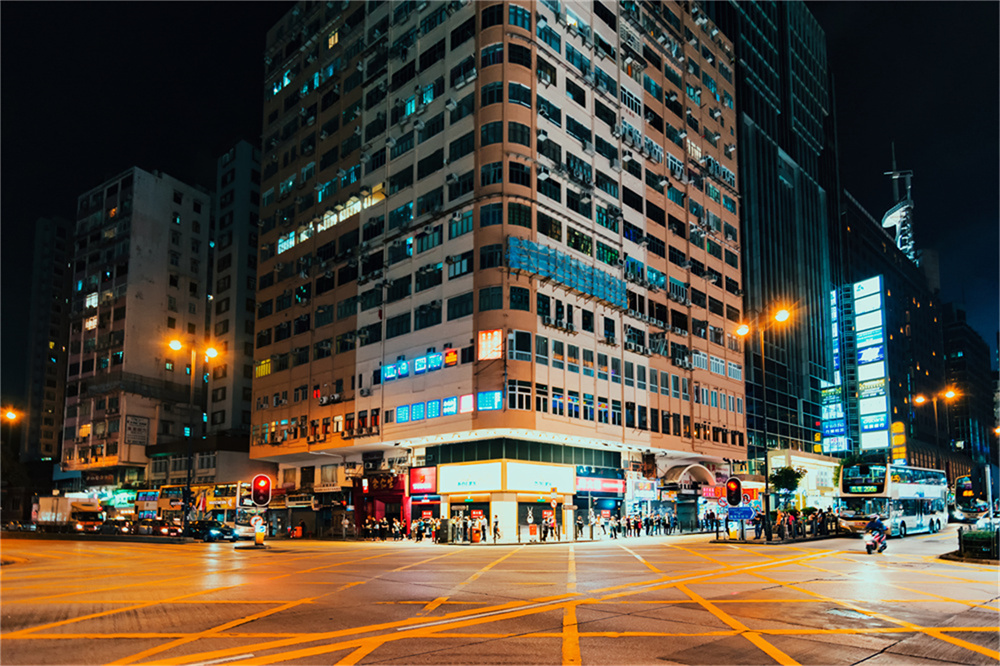
2、 Tourist growth becomes the core driving force: the rebound of passenger flow activates the vitality of shopping areas
The return of tourists is a key factor in the retail recovery in January. In January 2026, there were approximately 4.81 million visitors to Hong Kong. Although the number of mainland tourists decreased slightly compared to the same period last year, the number of non mainland tourists reached 1.17 million, a year-on-year increase of 14.8%. The overall passenger flow structure has become more diversified. During the New Year holiday (December 31, 2025- January 4, 2026), there were approximately 950000 visitors to Hong Kong, an increase of 40% year-on-year. Among them, the number of mainland tourists exceeded 740000, an increase of 48%. The holiday effect significantly boosted consumption.
The growth of tourists directly drives the popularity of core business districts, such as Causeway Bay, Tsim Sha Tsui, Central, and other major shopping areas. The foot traffic of international and local brand stores has significantly increased. Luxury stores, beauty counters, and electronic digital stores have seen a significant rebound in customer traffic, with high net worth tourists showing increased willingness to consume. The number of single large consumption cases has increased, driving rapid growth in sales of high-end categories.
3、 Economic and policy synergy: Multiple favorable factors support sustained retail recovery
The recovery of retail cannot be separated from the stabilization of the local economy and policy support. The Hong Kong stock market and real estate market are gradually stabilizing, residents' consumption confidence is increasing, and local consumption is resonating with tourist consumption. The SAR government continues to launch tourism promotion activities, optimize port clearance efficiency, enrich festival activities, attract more tourists to visit Hong Kong, and inject external demand into the retail market.
From the perspective of industry trends, tourist consumption is shifting from traditional shopping to the integration of "shopping+experience", and supporting consumption such as culture, catering, and entertainment are growing synchronously, further driving the coordinated recovery of retail and related service industries. Under the combination of multiple favorable factors, the foundation for the recovery of the retail market has become more stable.
HongKong.info Committed to providing fair and transparent reports. This article aims to provide accurate and timely information, but should not be construed as financial or investment advice. Due to the rapidly changing market conditions, we recommend that you verify the information yourself and consult a professional before making any decisions based on this information.

Popular Hong Kong News

Recommended Reading







Popular Searches
Related News