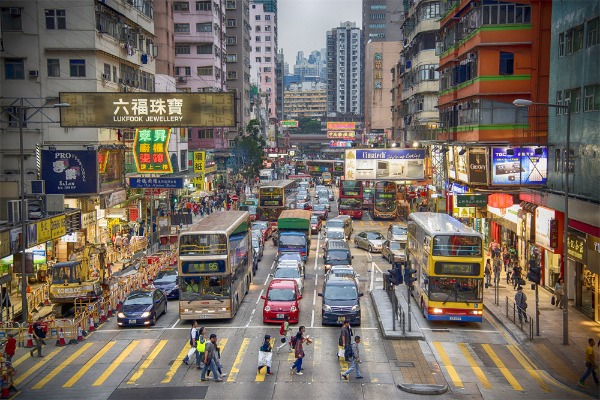
Nearly ten million people have visited Hong Kong! Tourism is experiencing a strong recovery at the beginning of 2026!


This round of recovery presents a dual wheel driving pattern of "mainland mainstay and international recovery", and the customer source structure continues to optimize.
1、 Mainland customer source: Significant Spring Festival effect, leading the growth rate
In January and February, the number of mainland tourists visiting Hong Kong reached 7.9 million, a year-on-year increase of 22%, accounting for nearly 80% of the total number of visits to Hong Kong and serving as the core engine of recovery. In February alone, there were about 4.25 million mainland tourists, a year-on-year increase of 53%. This was mainly due to the long holiday of the Chinese New Year Golden Week in mainland China, the high willingness of residents to travel, and the launch of a series of Chinese New Year events such as float parades and Victoria Harbour fireworks displays in Hong Kong, which attracted a large number of mainland tourists to come to Hong Kong for the Chinese New Year. During the Spring Festival holiday (2.15-2.23), there were approximately 1.77 million visitors to Hong Kong, with mainland tourists accounting for over 85%. The West Kowloon Station of the high-speed railway became the most popular port of entry.
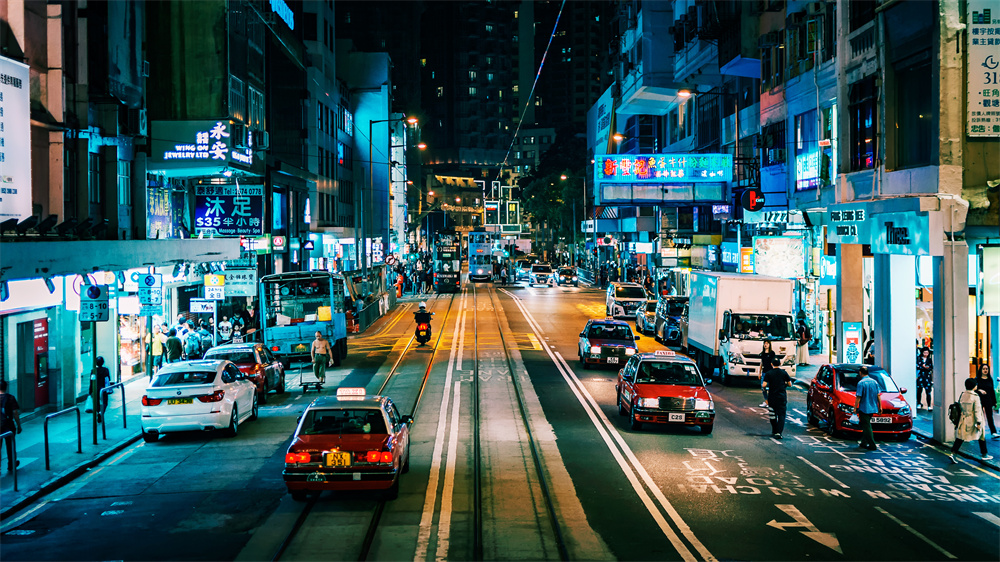
2、 Non mainland customer source: steadily recovering, outstanding performance in long-distance market
From January to February, there were 2.06 million visitors from non mainland markets to Hong Kong, a year-on-year increase of 8%, indicating a steady pace of recovery. Among them, the long-distance international market has become the biggest highlight: the year-on-year growth rate of tourists from Australia, France, and Germany has reached 20% -30%, and there is a significant return of long-term tourists from Europe and America, indicating that Hong Kong's international tourism attractiveness continues to rebound. In terms of short distance markets, Southeast Asian, Japanese and Korean customers have steadily recovered, providing support for the overall recovery.
The strong rebound of Hong Kong tourism at the beginning of the year is not accidental, but the result of multiple favorable factors working together.
1. Intense festive events activate tourism vitality
Since the beginning of the year, Hong Kong has been continuously building its business card as the "Capital of Events". During the Spring Festival, various activities such as the Cathay Pacific New Year's Gala, Victoria Harbour New Year's Eve Fireworks, and Lunar New Year Horse Racing will be staged in rotation, attracting tourists from all over the world; At the same time, business and cultural activities such as exhibitions and art shows are being simultaneously promoted, driving a dual growth of business and leisure tourists, with hotel occupancy rates generally exceeding 90%.
2. Facilitating customs clearance and lowering travel barriers
The continuous optimization of customs clearance policies between mainland China and Hong Kong, the increase in high-speed rail and flight schedules, and the convenience of visa processing have greatly reduced the travel costs for mainland tourists. The sustained high passenger flow at ports such as West Kowloon Station and Lok Ma Chau, coupled with improved cross-border transportation efficiency, has directly driven an increase in the number of visitors to Hong Kong.
3. Cruise economy strengthens, expands customer source channels
From January to February, Hong Kong welcomed 52 cruise voyages, with over 180000 inbound and outbound cruise passengers, making cruise tourism a new growth point. Cruise passengers drive onshore sightseeing, retail, and dining consumption, while also attracting international customers, enriching the tourism source structure of Hong Kong.
HongKong.info Committed to providing fair and transparent reports. This article aims to provide accurate and timely information, but should not be construed as financial or investment advice. Due to the rapidly changing market conditions, we recommend that you verify the information yourself and consult a professional before making any decisions based on this information.

Popular Hong Kong News

Recommended Reading








Popular Searches
Related News