Chinese car companies surpass Japan in global sales for the first time in 25 years, reshaping the global automotive landscape


1、 Data milestone: Total volume reversal+rise of top players, Chinese automotive army breaks through strongly
This breakthrough is not only a total victory, but also a concentrated manifestation of China's automotive industry's transition from "single point breakthrough" to "comprehensive rise".
Total comparison: Chinese car companies have 27 million vehicles compared to Japanese car companies with 25 million vehicles, with China leading by nearly 2 million vehicles and a global market share of 35.6%, an increase of 1.4 percentage points from the previous year.
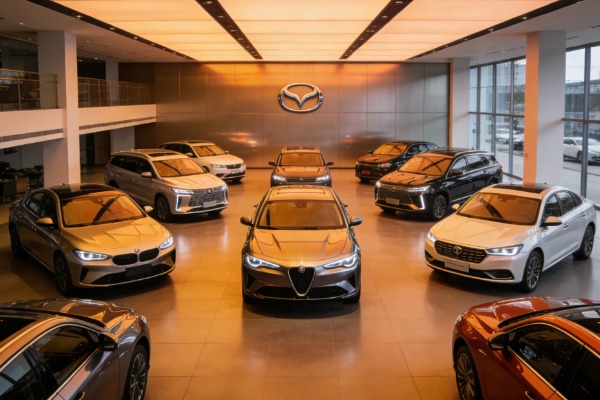
Top camp restructuring: Among the top 20 global car companies in terms of sales, Chinese car companies occupy 6 seats (BYD, Geely, Chery, Changan, SAIC, Great Wall), surpassing Japan's 5 seats for the first time, completely breaking the traditional pattern dominated by Japanese, German, and American brands.
Performance of star car companies: BYD jumped to sixth place in the world with 4.602 million units sold, surpassing Nissan and Ford. Its 2.2567 million pure electric vehicles sold surpassed Tesla for the first time, becoming the global pure electric sales champion; Geely sold 4.11 million vehicles, a year-on-year increase of 23%, surpassing Honda to rank 8th in the world; Chery and SAIC have both sold over 1 million vehicles overseas, and Chery has been ranked first in Chinese car exports for 23 consecutive years.
Current situation of Japanese car companies: Toyota remains the top single car company in the world with 11.32 million vehicles for six consecutive years, but Honda's sales have declined by 8% to 3.52 million vehicles and Nissan's by 4% to 3.2 million vehicles, falling out of the top ten for the first time since 2004.
2、 Core driving force: New energy+full industry chain+globalization, driven by three major engines to counterattack
The surpassing of Chinese car companies is a comprehensive victory in industrial strategy, technological roadmap, and market layout, with three core advantages building an unshakable competitiveness.
1. The 'overtaking by changing lanes' in the transition to new energy
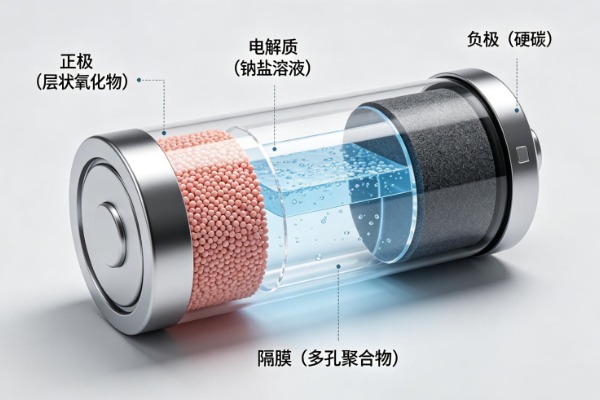
China has listed new energy vehicles as a national strategy, laying out ten years ahead of schedule to achieve a thorough breakthrough in technological barriers in the era of fuel vehicles. By 2025, the sales of new energy vehicles in China will reach 16.49 million units, with a penetration rate of nearly 50%; The export of new energy vehicles reached 3.43 million units, a year-on-year increase of 70%, accounting for 41% of the total export volume. In contrast, Japanese car companies stick to the hybrid route, with a new energy penetration rate of less than 5%, insufficient investment in pure electric research and development, slow product iteration, and missing the window of industrial transformation.
2. The 'independent and controllable' of the entire industry chain
China has built the world's most complete new energy vehicle industry chain, from raw materials such as lithium and nickel ore, to power batteries, electric drives, and electronic control core three electric systems, to intelligent cabins and automotive grade chips, with a self-sufficiency rate of over 70% for the entire chain. CATL and BYD hold 67% of the global power battery market share, with costs 20% -30% lower than overseas markets. This kind of full industry chain control gives Chinese car companies the ultimate cost advantage and rapid iteration ability, which is a core barrier that Japanese car companies cannot replicate.
3. The dual pronged approach to globalization layout
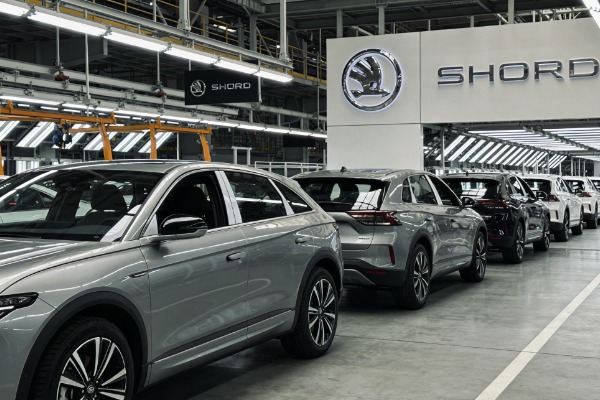
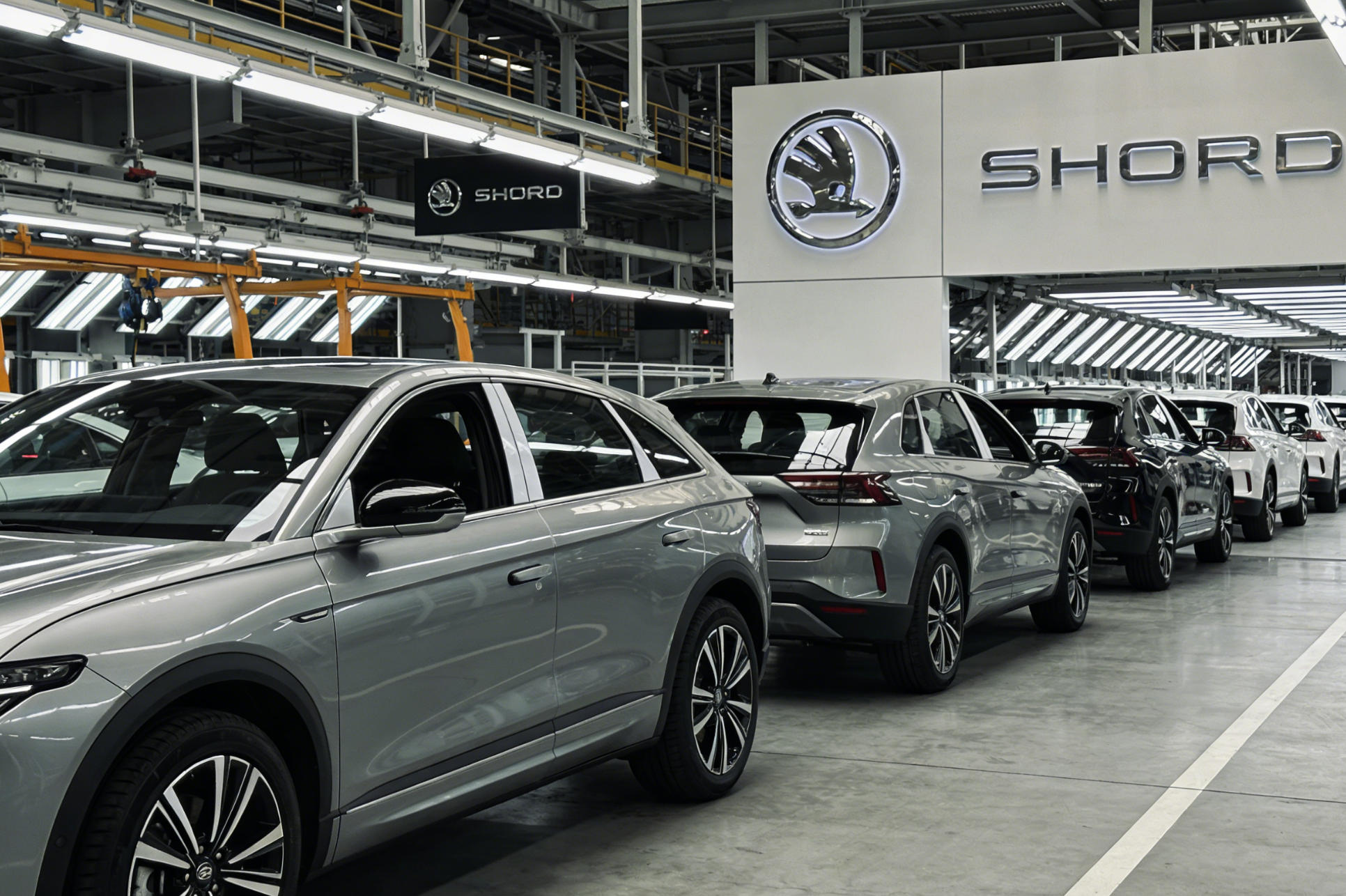
Chinese car companies have formed a dual wheel drive of "domestic market pressure+overseas market explosion". The domestic market has remained the world's largest automobile market for 17 consecutive years, with production and sales exceeding 34 million vehicles by 2025, providing a solid foundation for research and development investment and economies of scale. Overseas markets have achieved leapfrog growth, with China's automobile exports reaching 8.32 million units by 2025, ranking first in the world for three consecutive years and nearly twice the export volume of Japan (about 4.21 million units). From "product export" to "localized production", BYD has established factories in Hungary and Thailand, Chery has laid out its supply chain in Brazil, and Geely plans to achieve one-third of its overseas sales by 2030, deeply integrating into the global market.
HongKong.info Committed to providing fair and transparent reports. This article aims to provide accurate and timely information, but should not be construed as financial or investment advice. Due to the rapidly changing market conditions, we recommend that you verify the information yourself and consult a professional before making any decisions based on this information.

Popular Hong Kong News

Recommended Reading









Popular Searches
Related News