1、 The oil crisis is forcing energy transformation, and photovoltaics have become a necessary choice
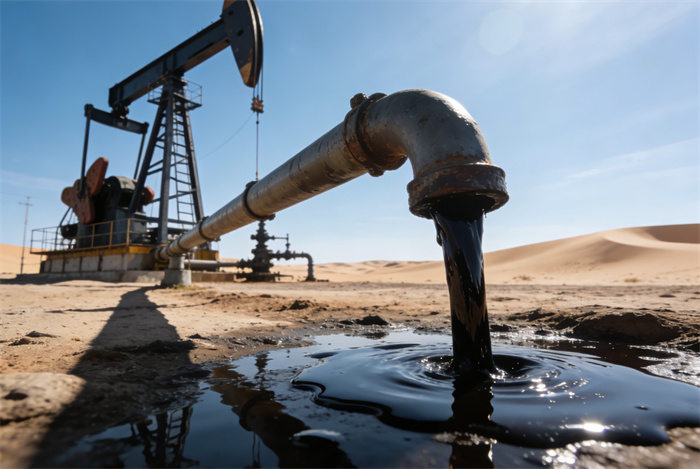
As a major oil producing region in the world, geopolitical conflicts in the Middle East directly impact the international energy supply chain. The rise in oil prices not only drives up import costs for countries, but also puts countries that have long relied on thermal and oil power generation in a dilemma of power shortages and rising inflation. The fragility of traditional energy systems has become prominent, and accelerating the development of renewable energy and achieving diversified energy structures has shifted from a long-term strategy to an urgent need at present.
Solar energy resources are widely distributed and not limited by geographical transportation, making it the first choice for many countries to cope with the oil crisis. In the global photovoltaic industry chain, Chinese enterprises occupy a triple leading position in technology, production capacity, and cost. Components, inverters, brackets, and overall solutions are mature and reliable, and can be quickly implemented and deployed on a large scale, becoming the core support for energy transformation in many countries.
2、 China's photovoltaic exports overseas: significant relief of energy pressure in countries such as Pakistan and Laos
In emerging markets such as Pakistan and Laos, Chinese photovoltaic products and photovoltaic power station projects are playing a key role. Pakistan has long faced a power shortage, with frequent power rationing during summer peak hours and a high dependence on fuel power generation. The rise in oil prices further exacerbates the pressure on power supply. With the landing of a large number of Chinese photovoltaic modules, distributed photovoltaic projects, and large-scale ground power stations, the local clean power supply continues to improve, not only filling the power gap, but also significantly reducing fuel procurement expenses, stabilizing people's electricity consumption and industrial production.
Laos also relies on photovoltaics to accelerate the elimination of excessive dependence on traditional energy, and builds distributed and centralized photovoltaic power stations with the help of Chinese photovoltaic equipment, improving energy self-sufficiency and maintaining relatively stable domestic energy prices during periods of high international oil prices, providing support for stable economic operation. Chinese photovoltaic products, with high cost-effectiveness, high reliability, and fast delivery capabilities, truly achieve "ready to use, ready to invest, and cost-effective", making energy transformation no longer distant.
3、 Cost and scale advantages coexist, and China's green solutions have global promotion value
In the face of the oil crisis, the reason why Chinese photovoltaics have quickly become a "must-have" for many countries lies in their irreplaceable comprehensive advantages. On the one hand, the scale of the entire industry chain brings ultimate cost advantages, making the cost of photovoltaic electricity much lower than that of fuel power generation, and the cost-effectiveness is more prominent during periods of high oil prices; On the other hand, the industrial chain has complete supporting facilities and strong delivery capabilities, which can quickly respond to emergency energy needs of various countries and achieve short-term and large-scale deployment.
In addition to photovoltaics, China's green products such as electric vehicles and energy storage equipment are simultaneously going global, forming a comprehensive energy system of "photovoltaic power generation+electric transportation+energy storage regulation", which comprehensively reduces oil consumption from the power generation side to the consumption side. This low-cost, high-efficiency, and replicable model not only helps developing countries overcome crises, but also provides a sustainable path for global energy security.
HongKong.info Committed to providing fair and transparent reports. This article aims to provide accurate and timely information, but should not be construed as financial or investment advice. Due to the rapidly changing market conditions, we recommend that you verify the information yourself and consult a professional before making any decisions based on this information.

Popular Hong Kong News

Recommended Reading






Popular Searches
Related News