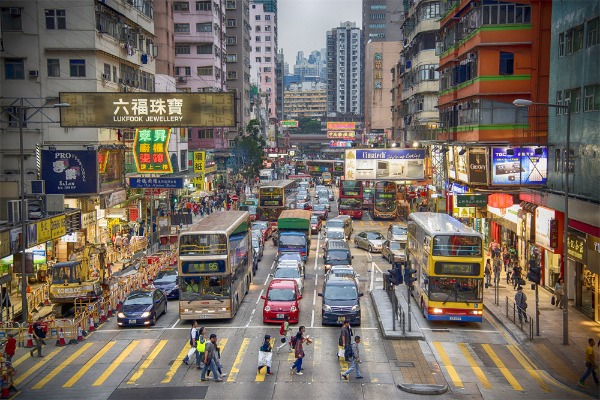
1、 Single day outbound travel exceeds 710000 yuan, high-speed rail tickets are hard to come by, making Beijing and Shanghai the first choice
On the first day of the holiday (April 3), there was a peak in outbound travel, with 1.234 million people entering and leaving Hong Kong in a single day. Among them, about 710000 Hong Kong residents left the country, and a large number of families and friends headed straight to the mainland. On the same day, the Guangzhou Shenzhen Hong Kong high-speed railway sent 119000 cross-border passengers, and the number of passengers from Hong Kong to mainland China reached a historical high of 86000. Tickets for long-distance cities such as Changsha, Chongqing, and Wuhan were sold out two weeks in advance, and many Hong Kong people lined up at the station to wait.
In addition to high-speed rail, the daily passenger flow at land ports such as Luohu, Futian, and Shenzhen Bay exceeds 200000, and the traffic flow on the Hong Kong Zhuhai Macao Bridge reaches a new high. On April 6th, 29800 inbound and outbound vehicles were inspected in a single day, and the popularity of "Hong Kong cars heading north" has been fully aroused. Shenzhen, Guangzhou, Zhuhai, Chaoshan and other cities in the Greater Bay Area are still popular, while flower viewing and hiking routes in Hunan, Hubei, Guangxi and other areas are in short supply. Registration for related tour groups started after the Spring Festival and sold out within two to three weeks.
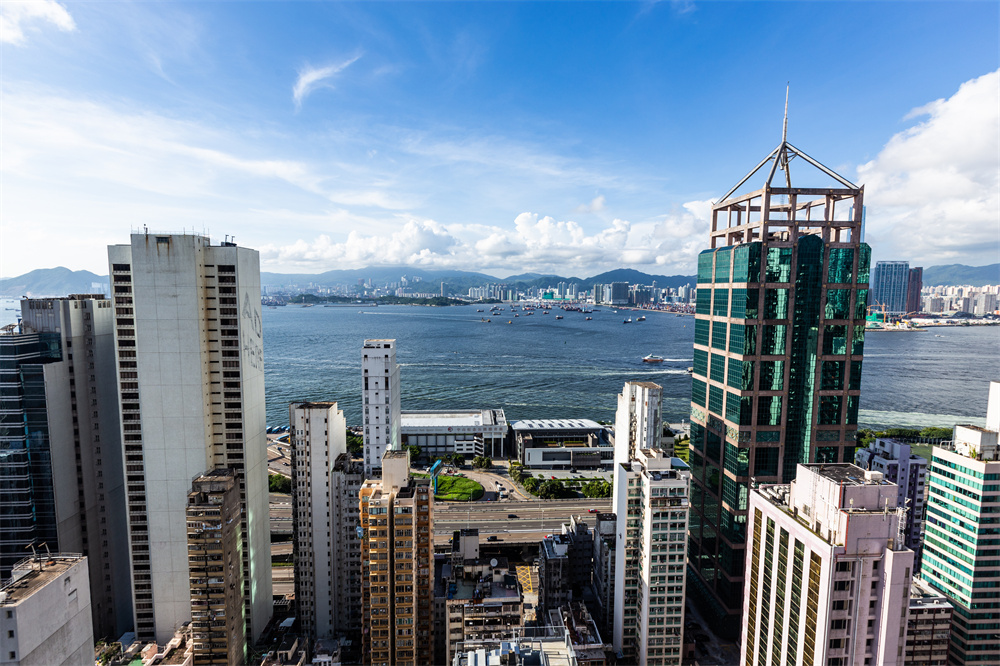
2、 Consumption upgrade+radius expansion: from "sweeping goods" to deep experience
Hong Kong people heading north have shifted from early "shopping and hoarding" to leisure experiences and quality consumption. In the first four days of the holiday, the offline retail amount of WeChat Hong Kong Wallet doubled year-on-year, reaching a new high for Easter in previous years. In terms of catering, online black tea drinks such as Nayuki and Heytea have become standard, and Cantonese cuisine, hotpot, and local snacks are extremely popular; At the retail end, Sam, Wal Mart and other supermarket transactions have surged, and daily necessities, fresh food and household appliances have become "must buy items".
The consumption radius continues to break through, with Hong Kong people's footprints extending beyond the Greater Bay Area to Changsha, Chengdu, Chongqing, and even as far as Xinjiang, Jilin, and Gansu. The 5-day long holiday supports long-term travel, with high-speed trains taking 3 hours to Changsha, 4 hours to Wuhan, and 6 hours to Chengdu. "Same day delivery, weekend travel" has become the norm. At the same time, bookings for mid to high end hotels have increased by 8 times, and family and parent-child rooms are in high demand. Hong Kong people are more willing to pay for high-quality accommodation and cultural tourism experiences.
3、 The two-way rush is highly popular, and the integration of the Greater Bay Area is accelerating again
At the same time as the trend of going north, mainland tourists' southward travel to Hong Kong is also heating up. During the holiday, 467600 mainland residents entered Hong Kong, driving up the average hotel price by 15% -20%, and many hotels in the core area were fully booked. Cities such as Shenzhen and Guangzhou have launched consumer coupons and cultural tourism activities to accurately attract Hong Kong tourists; Hong Kong has also optimized port clearance and opened more counters to ensure smooth passenger flow in both directions.
This round of double festival data confirms that Hong Kong people's northward migration has shifted from a "holiday phenomenon" to a normal lifestyle. Convenient transportation, high cost-effectiveness of mainland consumption, advantages in the Hong Kong dollar exchange rate, and abundant cultural and tourism supply, combined with the demand for Qingming Festival ancestor worship and family travel, have jointly boosted the popularity. More than 40% of Hong Kong residents go north at least once a month, and cross-border consumption, cultural tourism, and daily life are deeply integrated. The "urbanization" effect of the Greater Bay Area continues to emerge.
HongKong.info Committed to providing fair and transparent reports. This article aims to provide accurate and timely information, but should not be construed as financial or investment advice. Due to the rapidly changing market conditions, we recommend that you verify the information yourself and consult a professional before making any decisions based on this information.

Popular Hong Kong News

Recommended Reading






Popular Searches
Related News