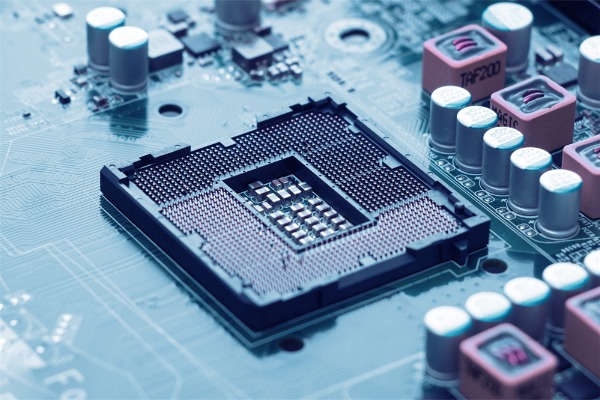
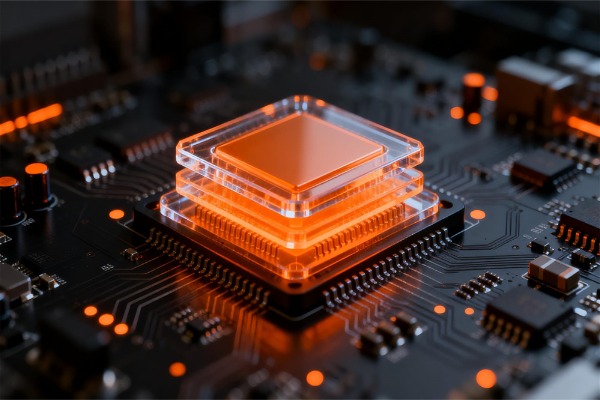
Recently, China FAW, in collaboration with its core partners in the industry chain, successfully developed the first domestically produced vehicle grade advanced process multi domain fusion chip - "Hongqi-1". This chip breaks the limitations of traditional single function chips and is a multi domain fusion processor designed for intelligent automotive central computing architecture. It fills the domestic gap in China's high-end automotive central computing chip field and marks the complete breaking of overseas technology monopoly in China's automotive industry, moving from "chip import dependence" to a strategic new stage of "chip autonomy and controllability".
1、 Breaking the monopoly: 'Red Flag No.1' solves the bottleneck of automotive standard chips
For a long time, China's high-end automotive chip market has been firmly controlled by overseas giants, with companies such as Qualcomm and Nvidia holding over 95% of the market share. Core technologies, patents, and supply chains are completely under control, becoming a bottleneck that restricts the development of China's intelligent automotive industry. Especially during the global "chip shortage wave", the price of a single high-end MCU chip skyrocketed, forcing many domestic car companies to reduce production and stop production, highlighting the urgency of chip localization.
In this context, China FAW took the initiative to collaborate with more than 20 core enterprises in the domestic chip design, wafer manufacturing, packaging and testing industry chain to establish a collaborative innovation mechanism of "defining chips for the whole vehicle and supporting the whole vehicle with chips", and successfully developed "Hongqi No.1". This breakthrough is not the innovation of a single product, but the result of the collaborative efforts of China's automotive industry and chip industry, completely breaking the technological monopoly of overseas enterprises in the field of multi domain integrated chips for advanced processes at the automotive specification level, and providing strong support for the security of China's intelligent automotive industry supply chain.
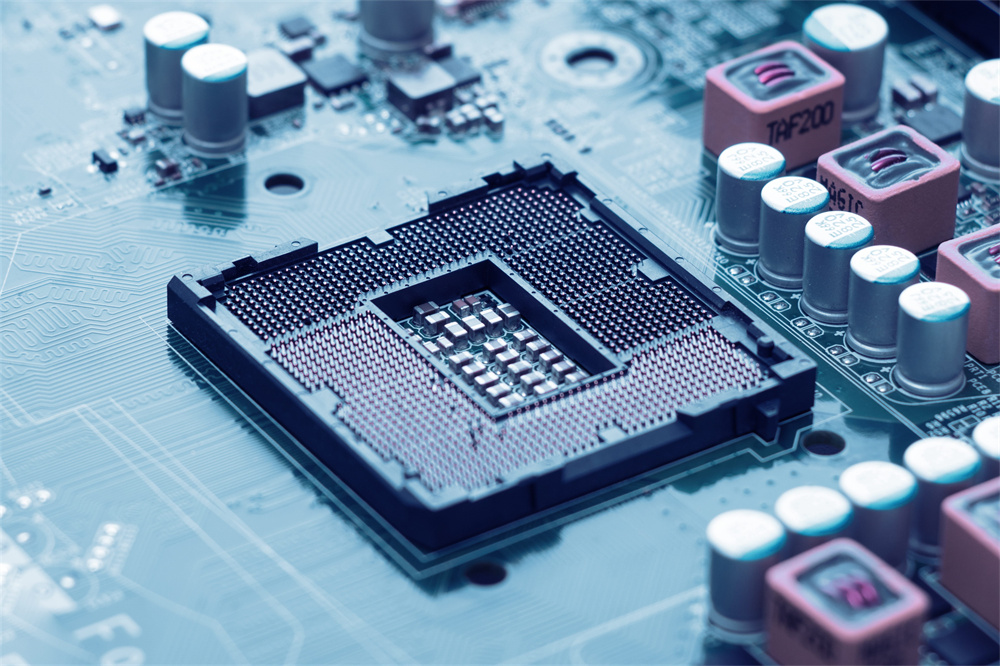
2、 Core Features: Multi domain Integration, Refactoring the Core Architecture of Intelligent Vehicles
The most distinctive advantage of "Hongqi No.1" lies in its breakthrough of the limitations of traditional single function chips. It is a multi domain fusion processor for the central computing architecture of intelligent vehicles, innovatively realizing the integration of "cabin, driving, and control". It integrates the five major functional domains of driving assistance, intelligent cockpit, vehicle control, communication, and safety that previously required five independent chips on one chip, truly achieving "one chip control of the whole vehicle".
This chip adopts the world's top advanced process technology, integrates over 50 billion transistors, and its core performance is comprehensively leading the industry's mainstream products - the CPU logic computing power is 21.7% higher than the industry's mainstream domain fusion chips, and the image processing capability is increased by 15.4%. It can efficiently support complex scenarios of "one chip, multiple screens, and multiple systems in parallel", and reserve sufficient computing power redundancy for higher-level intelligent cockpit and autonomous driving integration. At the same time, the chip is equipped with an independent hardware security island, which has passed the highest level of ASIL-D certification for functional safety and the national secret level 2 information security certification, building a sturdy vehicle safety base to ensure that critical control functions do not fail under extreme faults.
3、 Industrial value: reducing costs and increasing efficiency, empowering the high-quality transformation of the automotive industry
The successful development of "Hongqi No.1" not only achieved technological breakthroughs, but also brought tangible industrial benefits to the automotive industry. Through multi domain fusion design, this chip can significantly reduce the number of electronic control units (ECUs) and the complexity of wiring harnesses in the entire vehicle. It is expected to reduce the complexity of wiring harnesses by more than 30%, shorten the development cycle of the entire vehicle by 25%, and save over a thousand yuan in single vehicle costs, effectively alleviating the cost pressure on car manufacturers.
HongKong.info Committed to providing fair and transparent reports. This article aims to provide accurate and timely information, but should not be construed as financial or investment advice. Due to the rapidly changing market conditions, we recommend that you verify the information yourself and consult a professional before making any decisions based on this information.

Popular Hong Kong News

Recommended Reading






Popular Searches
Related News