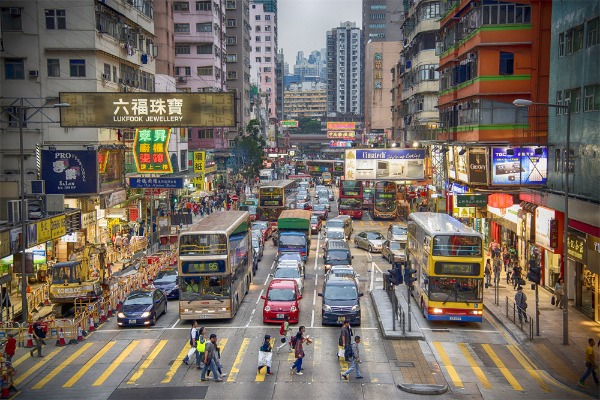
Hong Kong hotel booking trend in April 2026: surge in booking volume, stable and controllable prices, showing resilience to recovery


1、 The booking volume has significantly increased, and the combination of two festivals has activated market vitality
The significant increase in hotel bookings in Hong Kong in April was mainly due to the seamless connection between Easter and Qingming holidays, resulting in a 5-day long holiday and effectively igniting cross-border travel demand. Data shows that hotel bookings in Hong Kong during the holiday period have increased by more than 8 times compared to weekdays, with overall occupancy rates generally reaching 80-90%. Many popular hotels have achieved full occupancy, completely reversing the sluggish trend of the traditional off-season in April.
From the perspective of customer source structure, it presents a distinct feature of "two-way travel": on the one hand, a large number of Hong Kong residents choose to travel north to the mainland for vacation, which drives a short-term surge in hotel bookings from Hong Kong's departure destinations; On the other hand, mainland tourists took advantage of the Qingming Festival holiday to travel to Hong Kong, with hotel bookings in core business districts such as Tsim Sha Tsui, Causeway Bay, and Central being the first to reach saturation. The growth rate of bookings for family suites, parent-child themed rooms, and other room types was particularly significant, becoming an important driving force for the increase in bookings. In addition, the hosting of international events in late April further continued the market heat, driving high monthly bookings.
2、 The average airfare price has slightly increased by 3%, highlighting the demand driven trend of stable and controllable prices
In sharp contrast to the significant increase in booking volume, the average round-trip airfare price in Hong Kong in April only slightly increased by about 3%. This data fully indicates that the hotel booking boom this time is due to the release of real demand, rather than price speculation, and the overall market price pressure is controllable. As an important component of the travel chain, the stable operation of airfare prices further reduces travel costs for passengers and provides strong support for the growth of hotel bookings.
From a market logic perspective, the slight and controllable increase in average airfare prices is due to the timely follow-up of aviation capacity and the full play of market competition. Major airlines have adjusted their transportation capacity and optimized flight arrangements in response to holiday travel demand, effectively alleviating the supply-demand imbalance and avoiding a significant increase in ticket prices; At the same time, multiple airlines have launched discounted packages, further stabilizing price increases and allowing more passengers to travel to Hong Kong conveniently and economically, indirectly driving the booming hotel booking market. This trend of "demand growth and stable prices" highlights the virtuous cycle of recovery in the Hong Kong cultural and tourism market.
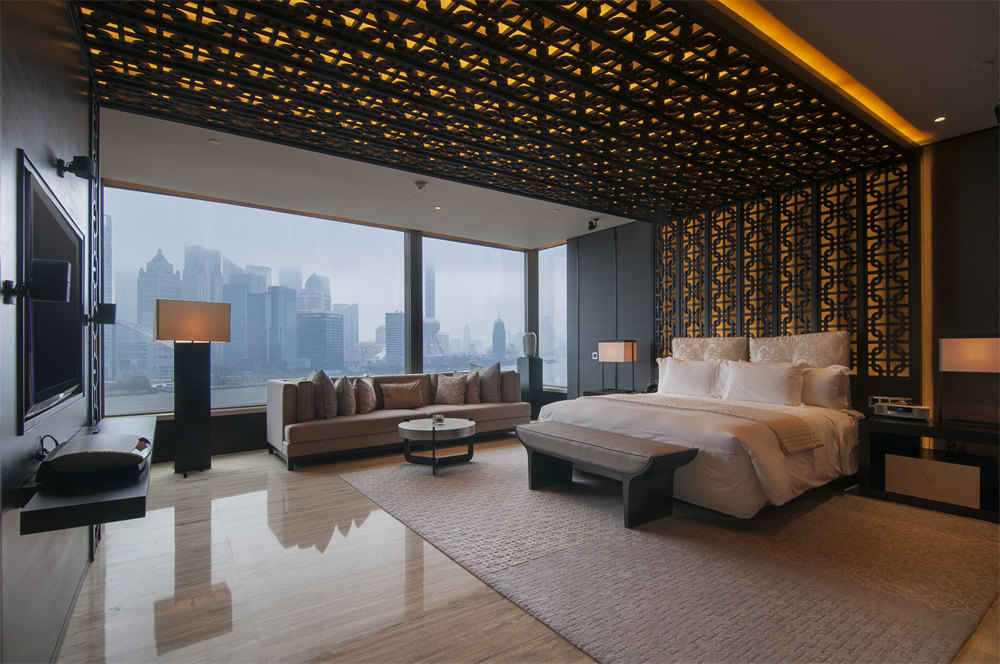
3、 The proportion of mid to high end room types has increased, and housing prices are stable with a rising trend
Although the relevant information does not explicitly mention the specific increase in hotel room rates in Hong Kong in April, from market details, the proportion of bookings for mid to high end room types continues to rise, exceeding 40%. Based on this, it can be reasonably inferred that the average hotel room rate in Hong Kong for that month showed a stable and upward trend. The growth in bookings for mid to high end room types is mainly due to the release of demand from mainland high net worth travelers, business travelers, and family customers, who have higher requirements for accommodation quality and are willing to pay higher prices for high-quality services.
From the perspective of regional performance, the mid to high end hotels around the core business district and scenic spots have shown particularly outstanding performance. The per capita consumption of mid to high end hotels in areas such as Tsim Sha Tsui and Causeway Bay is about HKD 1400 per night, which is slightly higher than usual; Mid to low end hotels attract first-time travelers with high cost-effectiveness, while maintaining stable prices, forming a price pattern of "high-end steady rise, mid-range steady". This differentiation trend not only reflects the diversification of market demand, but also indicates that the Hong Kong hotel market is shifting from "quantity recovery" to "quality improvement".
HongKong.info Committed to providing fair and transparent reports. This article aims to provide accurate and timely information, but should not be construed as financial or investment advice. Due to the rapidly changing market conditions, we recommend that you verify the information yourself and consult a professional before making any decisions based on this information.

Popular Hong Kong News

Recommended Reading






Popular Searches
Related News