1、 April 3rd marks the peak of bookings, with daily orders accounting for over 30% of the total holiday volume
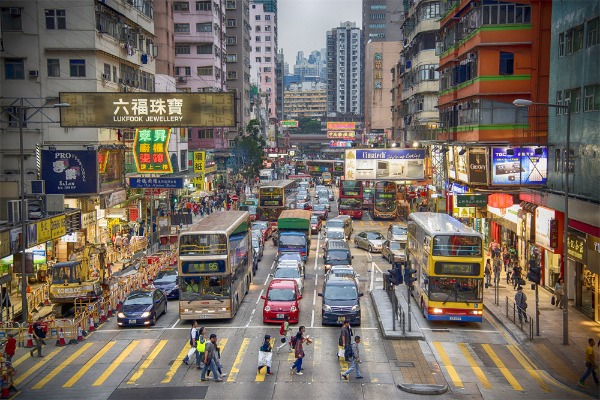
This year, the Easter holiday in Hong Kong (April 3-4) seamlessly connects with the Qingming holiday in mainland China (April 6-7), forming a 5-day long holiday and directly igniting cross-border travel demand. Data shows that April 3rd (the first day of Easter) became the absolute peak for hotel bookings in Hong Kong throughout April, with flights and hotel bookings departing on that day accounting for over 30% of the total holiday volume, setting a new high for daily bookings in recent times.
The formation of this peak is due to the concentrated outbreak of two-way passenger flow. On the one hand, a large number of Hong Kong residents choose to travel north to the mainland for vacation on the first day of the holiday. It is expected that 712000 Hong Kong people will travel north through land ports on April 3, driving a surge in hotel bookings from Hong Kong's departure destinations; On the other hand, mainland tourists took advantage of the Qingming Festival holiday to travel to Hong Kong and locked in their first day of holiday accommodations in advance. Hotels in core business districts such as Tsim Sha Tsui, Causeway Bay, and Central were the first to be fully booked, and bookings for economy and mid-range hotels were particularly popular.
2、 Long holiday effect highlights 4.3-4.7 bookings continue to operate at a high level
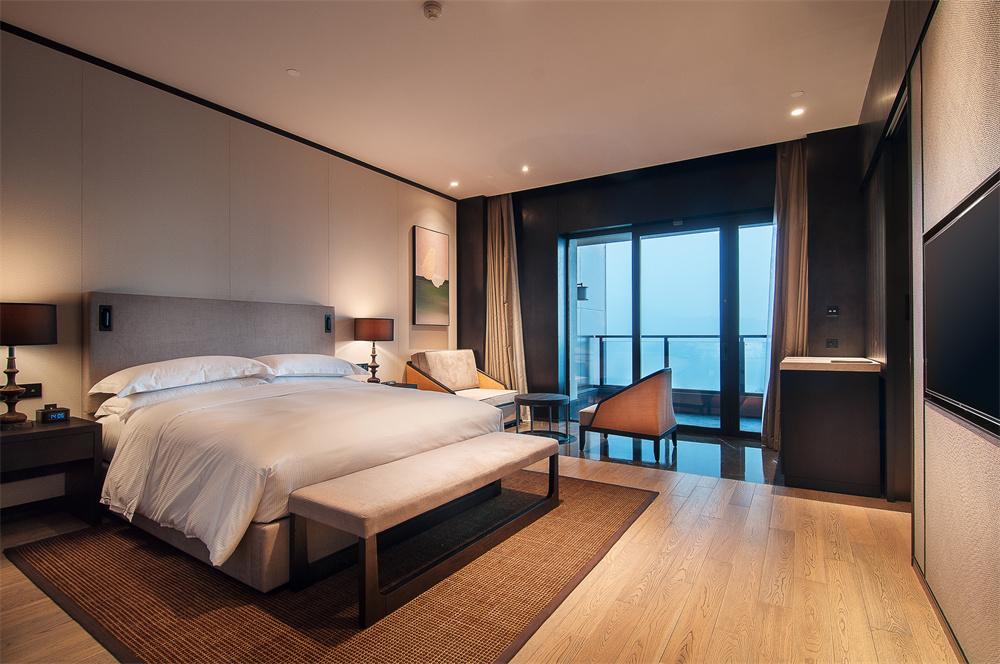
Except for the peak on the first day, the holiday effect drove the overall hotel bookings in Hong Kong to maintain a high level from April 3rd to 7th, forming a trend of "prominent peak and hot overall". According to data from the Hong Kong Catering and Tourism Industry Association, the overall occupancy rate of hotels in Hong Kong during the holiday period generally reached 80-90%, with many popular hotels achieving full occupancy. Even on April 6-7 (Qingming Festival holiday), the hotel occupancy rate remained at a high level and did not show a significant decline.
From a regional perspective, hotel booking rates in areas near ports and commercial districts such as Tsim Sha Tsui and Mong Kok have exceeded 90%, with room rates increasing by 15% -20% compared to normal days; Disney and the surrounding parent-child themed hotels and family suites are in high demand, with bookings increasing by over 30% year-on-year. Even though some Hong Kong residents travel abroad, the large-scale influx of mainland visitors to Hong Kong effectively fills the gap in local demand and supports high occupancy rates throughout the holiday season.
3、 Returning to the off-season after the holiday, bookings in mid to late April remained stable and declined
With the end of the long holiday on April 7th, the hotel market in Hong Kong quickly returned to the traditional off-season trend, with a significant decline in booking volume and occupancy rates. From April 8th to 20th, the hotel occupancy rate dropped to around 60%, and room rates also returned to normal levels. Some hotels launched discounted packages to attract customers.
However, in late April, hotel bookings saw a slight rebound due to international events such as the Hong Kong International Rugby Sevens and Web3 Summit. During the event and exhibition period, the hotel booking rate in the Hong Kong Island and Kowloon areas rebounded to around 90%, and room prices recorded double-digit growth compared to weekdays and weekends. However, the overall popularity was far lower than that of the Double Festival holiday, showing the characteristics of "event driven, locally hot".
HongKong.info Committed to providing fair and transparent reports. This article aims to provide accurate and timely information, but should not be construed as financial or investment advice. Due to the rapidly changing market conditions, we recommend that you verify the information yourself and consult a professional before making any decisions based on this information.

Popular Hong Kong News

Recommended Reading







Popular Searches
Related News